
Ever wake up to a freezing home and wonder why the heating system isn’t kicking in? Nothing is more embarrassing on a cold Mornington Peninsula morning than a heating system that won’t cooperate. These problems often trace back to a tiny heating system sensor malfunction.
Heating system sensors are like the unsung heroes of your warm and cozy home; they keep everything running smoothly behind the scenes. When one of them goes on the fritz, even the most high-tech heater can stop dead in its tracks. Let me walk you through possible ways sensors can fail in your heater, so you can spot the warning signs before winter fully sets in.
Your heating system is like a team effort: every part has to play its role, and sensors keep an eye on the whole show. There’s a sensor behind that thermostat on the wall and a tiny one sitting by the flame inside your gas heater.
Each sensor tells the system what’s happening – is your living room toasty enough? Is there a flame burning the fuel properly? If they get dirty, broken, or miscalibrated, the whole show falls apart. Think of it like a blindfolded diver; even if everything else is fine, a bad sensor can leave your heating system clueless.
If anything sounds complicated, just remember: you don’t have to be a heating guru to fix this stuff. Sometimes the best move is to call in a heating system repairs specialist, especially if tinkering with sensors makes you break out in a cold sweat.
A good pro knows how to safely diagnose those sneaky sensor glitches. And besides, it doesn’t hurt to have an expert friend in the Mornington Peninsula when your heater starts acting up. They know all the tricks to get you back to warmth without any drama.
When Your Thermostat Acts Up
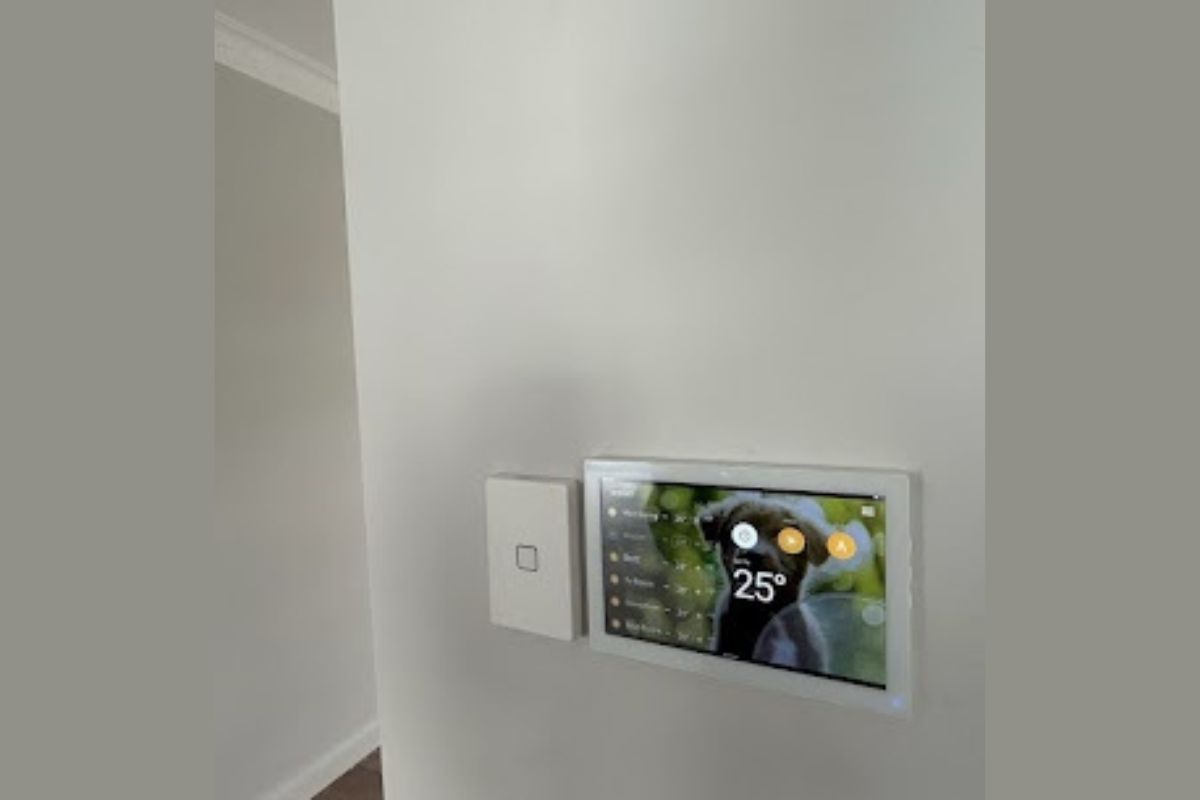
Your thermostat is the brains behind your heating system – it reads the room temp and tells the heater what to do. If its sensor is out of whack, you might feel like Goldilocks adjusting the heat but never getting it just right. Here are a few warning signs of a bad thermostat sensor:
- The house never reaches a comfortable temperature (or gets too hot or too cold unexpectedly), even though settings haven’t changed.
- The heater runs all the time (or never seems to turn off).
- The heater cycles on and off quickly (short cycling) instead of running steadily.
Often the fix is simple: check the batteries or wiring, move the thermostat away from drafts or heat sources, or gently dust off the sensor. If the thermostat itself has gone flaky, a replacement might be needed.
The Case of the Fickle Flame Sensor
If you have a gas heater, the flame sensor in your heating system is a small metal rod that confirms the burner flame is present. If it can’t see the flame (due to dirt or wear), your heater shuts off as a safety measure. It’s like a vigilant guard dog – if it can’t sniff out fire, it locks the system down. Signs of a faulty flame sensor include:
- Short cycling: The furnace lights the burner flame then shuts off in seconds (it thinks the flame went out). The heater may try this repeatedly without warming the house.
- Yellow or flickering flame: A normal flame is a steady blue. Yellow, lazy flames often mean incomplete combustion – a dirty sensor is often to blame.
- System lockout: After a few failed ignition attempts, the heater might refuse to run and throw an error. You might see blinking lights or error codes.
You can try gently cleaning the sensor rod to remove soot – sometimes that fixes it. But if it’s very old or corroded, replacement is usually the best solution.
Other Crucial Safety Sensors
Your heating system has a few more safety sensors. A pressure switch checks that exhaust vents are clear. If it detects a blockage or improper pressure, it will shut off the furnace. So if your inducer motor runs but then the system dies, the pressure switch might be tripping. You might also hear a clicking or hissing noise near the vent.
Other sensors include the limit switch (which prevents overheating). For example, if the furnace runs but no warm air comes out, or it overheats (say due to a clogged filter or cracked heat exchanger), the limit switch should cut power. If that switch fails, the heater could run too long (which is dangerous).
(FYI, authorities suggest having a carbon monoxide alarm as a back-up sensor. Even a small sensor fault can allow CO to build up slowly, so it’s better to catch it early.) Sometimes you can fix issues by checking vents and replacing filters, but things like a clogged pressure switch or hidden backdraft usually need a licensed pro to sort out.
DIY Checks and Safety Tips
Before panicking, do some quick DIY checks. Turn off the heater first. Clean or replace the air filter if it’s dirty – poor airflow can trick sensors into overheating. Clear any leaves or nests from vents so exhaust flows freely. You can also vacuum around the unit if it’s dusty.
For example, Energy Safe Victoria recommends servicing gas heaters at least every 2 years by a licensed gasfitter. Routine maintenance catches sensor wear and other issues early. In fact, all heating systems get a lot safer with an annual check-up. These steps, along with basic DIY checks, keep sensor failures from sneaking up on you. After all, even the smartest heating system can’t run properly without reliable sensors.
When to Call the Pros
If you’ve done the checks and your heating system is still acting up, it’s time to call in the cavalry. Don’t ignore warning signs – sensors often fail slowly. Left unchecked, a bad sensor can leave you in the cold or cause safety hazards. (It’s always cheaper to replace a sensor than your entire heating system.) Even a trained technician can tell from the symptoms whether it’s a quick fix or a bigger issue.
Your heating system’s sensors might be small, but they’re mighty. At the first sign of trouble – strange noises, flame issues, or odd cycling – get it fixed. By catching sensor trouble early (or calling a specialist), you can stay warm and safe all winter long.
Conclusion
Sensors in your heating system might seem small, but they do a huge job: keeping you safe and warm. For Mornington Peninsula homeowners, making sure these sensors stay in shape is the best way to keep your heater running reliably.
If you notice even a hint of trouble – flickering flames, odd cycling, or strange sounds – tackle it promptly. Fixing a simple sensor issue now can save you from bigger problems (and bigger bills) later. Stay warm, stay safe, and enjoy those cozy winters without any drama.
Frequently Asked Questions
Q: How can I tell if a thermostat sensor in my heating system is faulty?
Many clues point to a thermostat issue. You might see wildly fluctuating temperatures, or your heating system running constantly (even at set temperature). The thermostat might ignore your commands or seem blank (check batteries or wiring). If the thermostat is out of whack, you’ll often need to reset it or replace it.
Q: What if I can hear my heating system turning on and off repeatedly?
That short cycling is a big red flag. It often means a sensor in your heating system (like a flame sensor or limit switch) isn’t confirming things properly, so the system keeps shutting off for safety. Check if the flame looks normal or if filters are clean. If the problem persists, it’s best to have a technician figure out which sensor is causing the loop.
Q: Can I clean or fix a flame sensor myself?
If you’re a bit handy, you can try gently cleaning the flame sensor rod with fine-grit sandpaper or a cloth (after turning off power!) to remove soot. Sometimes that brings it back to life. But these sensors are delicate. If cleaning doesn’t help or the sensor looks corroded, replacing it is usually the safest bet – a pro can do it quickly.
Q: How often should my heating system be inspected for sensor issues?
Regular checks are key. For gas heaters, the local energy authority actually recommends servicing every 2 years by a licensed gasfitter. Other heating systems benefit from annual check-ups. During a service, all the sensors will be inspected and cleaned. In between, you can do basic maintenance (clean filters, check vents) to keep sensors happy.
Q: Is it dangerous to use my heating system with a faulty sensor?
It can be. Sensors are there to keep the system safe. A bad flame sensor or pressure sensor in your heating system could lead to incomplete combustion or even a carbon monoxide risk. That’s why heaters shut off when they detect a fault. You should never ignore repeated shut-offs or strange behavior – that means a sensor is stopping a potential hazard. Always fix sensor problems promptly.
Q: What exactly does a “sensor” do in a heating system?
Think of sensors as the heating system’s watchdogs. They might measure room temperature (thermostat), check for a flame in the burner (flame sensor), or ensure vents are clear (pressure switch). By keeping tabs on these, sensors tell the heater what’s safe. If a sensor fails or gets dirty, the heater might shut off or act oddly because it’s playing it safe. In short, sensors help your heating system run safely and smoothly, so they matter more than you might think.
