
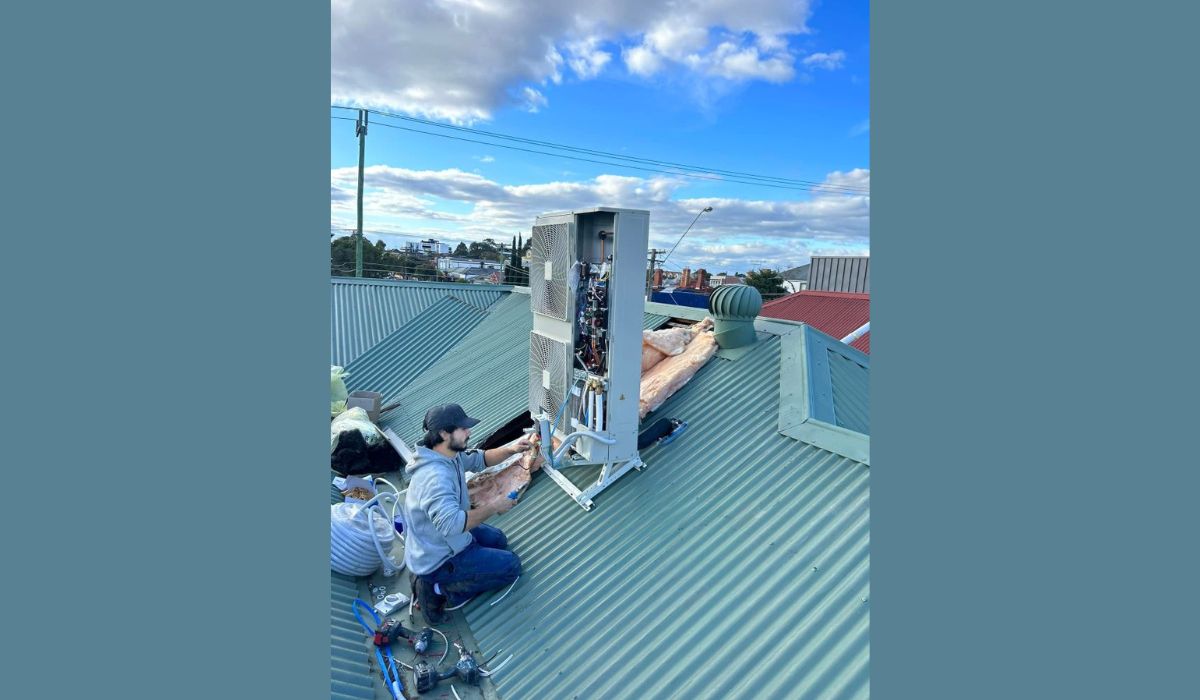
Picture, it’s a hot summer day on the Mornington Peninsula and your factory feels like a sauna. Workers are fanning themselves, machines are overheating. Keeping a plant cool is a real challenge that industrial HVAC solves.
Industrial HVAC (that’s heating, ventilation, and air conditioning at factory scale) is like your plant’s climate-control superhero. We’re talking chillers, boilers, huge fans and ducts making sure every corner of your plant stays at the right temperature. Trust me, getting it right means fewer breakdowns, happier workers, and big savings on energy bills.
When it’s time to install or upgrade your system, you don’t have to go it alone. Even savvy plant owners lean on Industrial HVAC installation experts to design and set up a system that fits their needs. These pros live and breathe HVAC, they know the ins and outs so you don’t have to.
What is Industrial HVAC?
Industrial HVAC is basically a huge heating and cooling system for factories and big plants. Instead of a little office aircon, imagine giant chillers, big boilers, massive fans, and miles of ductwork keeping an entire production floor at the right temperature.
These systems run heavy-duty 24/7, so they’re built tough and often custom-designed. Think of industrial HVAC as the heart and lungs of your plant, it circulates and conditions air in every zone, from the workshop to the loading dock.
Why Industrial HVAC Matters
No one works well when the air feels like a hair dryer or a freezer. A tuned industrial HVAC keeps your team comfy and alert, which means fewer mistakes and happier staff.
It also protects equipment and processes by avoiding overheating or humidity swings. Plus, ventilation clears out dust and fumes, so everyone breathes easier (and your paint spray or electronics stay clean).
On the energy side, industrial HVAC can gulp a large chunk of power. In many factories, heating and cooling can take up a third or more of total energy use. An inefficient system could be draining your budget. The upside? A smart, efficient HVAC setup slashes those bills and shrinks your carbon footprint. On that humid Peninsula summer or cold winter morning, the right HVAC strategy keeps production humming without wasting cash.
Key Components of an Industrial HVAC System
Every big HVAC system is made of a few main parts:
| Component | What It Does | Why It Matters |
|---|---|---|
| Air Handling Unit | Filters air and blows it through ducts | Delivers clean, tempered air into the plant |
| Chiller/Boiler | Produces cold or hot water | Controls building-wide temperature |
| Fans/Blowers | Moves large volumes of air | Circulates air through the system |
| Ductwork & Dampers | Network of ducts and adjustable vents | Directs air to different zones |
| Controls & Sensors | Thermostats and sensors | Regulates temperature, pressure, etc. |
| Filters/Purifiers | Air filters or scrubbers | Removes dust, smoke, and fumes |
Notice how each part needs attention, even a small leak in the system can make fans roar and leave parts of your plant stuffy. A leaky duct or a clogged filter forces equipment to work harder for no benefit, just like a car with a flat tyre. In the next sections, we’ll talk about keeping all these components in good shape.
Boosting Energy Efficiency
Running big HVAC systems doesn’t have to blow your budget. Here are top strategies to save energy and money:
- Tune-Up Schedule: Keep filters and coils clean. A tidy system uses far less power. Regular maintenance also avoids bigger issues (like blocked drains) hiking bills.
- Variable Speed Drives: Install VSDs on fans and pumps. They let motors slow down when full power isn’t needed, cutting electricity use a lot on cooler days.
- Efficient Equipment: Choose high-efficiency chillers, boilers, and fans. New low-GWP refrigerants are now required by law and run more efficiently. Efficient models and proper refrigerants can slash energy use.
- Sustainability Upgrades: Victoria is moving away from gas heating. Switching from an old gas boiler to an electric heat pump can save a bundle. Plus, many regions offer rebates or incentives for energy-efficient systems.
Every kWh saved is money back in your pocket. Even small tweaks to an industrial HVAC system can yield big returns over time.
Maintenance and Best Practices
Think of maintenance as an HVAC “spa day.” It prevents breakdowns and keeps costs low. Here’s a quick checklist:
- Filters: Check or replace filters monthly. Clean filters mean good airflow and happier fans.
- Coils & Heat Exchangers: Wipe down any dirt or scale. Dirty coils act like a blanket, making your system work harder (and waste power).
- Lubricate & Inspect: Oil the bearings on fans and motors, and tighten any loose bolts. A smooth-running fan uses less energy than a squeaky one.
- Refrigerant Levels: If cooling performance drops, check the refrigerant charge. Low refrigerant means weak cooling and higher power use.
- Ducts & Insulation: Seal leaks in ducts and keep them insulated. Even small leaks waste energy and can let hot/cold air escape before it reaches the workspace.
- Controls & Safety: Test thermostats and safety cut-offs. Ensure the system isn’t overheating or freezing due to a mis-set sensor.
Trust me, catching a leaking valve or dirty filter now beats the stress of a full shutdown later.
Regulations and Safety
There are rules in Australia to keep these powerful systems safe and eco-friendly:
- Refrigerant Phase-Down: Australia is phasing out high-GWP refrigerants. New systems must use approved low-GWP alternatives. (For example, R-410A is being replaced by greener gases.) This keeps your cooling effective and avoids fines.
- Building Codes: Any new industrial HVAC install must meet the National Construction Code (NCC). This covers minimum energy efficiency, insulation, and ventilation rates. Your installer should design the system to comply, but it’s ultimately your responsibility.
- Work Health & Safety: You must limit dust, fume, or mold exposure in work areas. Good ventilation and filtration are not just best practice—they’re required to protect workers.
- Licensed Technicians: By law, only licensed HVAC techs can install or service commercial systems (especially handling refrigerants or wiring). Always check credentials to stay legal and keep warranties valid.
Keeping up with these rules might seem tedious, but it ensures your HVAC runs safely and efficiently. It also protects you from nasty fines or forced shutdowns.
If your industrial HVAC unit is over 15 years old, it might be time to upgrade to modern, efficient equipment. These days, new chillers and heat pumps can cut operating costs dramatically.
Conclusion
Industrial HVAC might not sound glamorous, but it’s the backbone of a comfortable, efficient plant. Treat your HVAC well, you’ll enjoy more reliability, comfort, and lower bills.
Inspect your system, schedule that overdue tune-up, or talk to a specialist about efficiency upgrades. Don’t wait for the next heat wave, address your industrial HVAC needs today and keep everything running smoothly. Your plant will thank you.
