
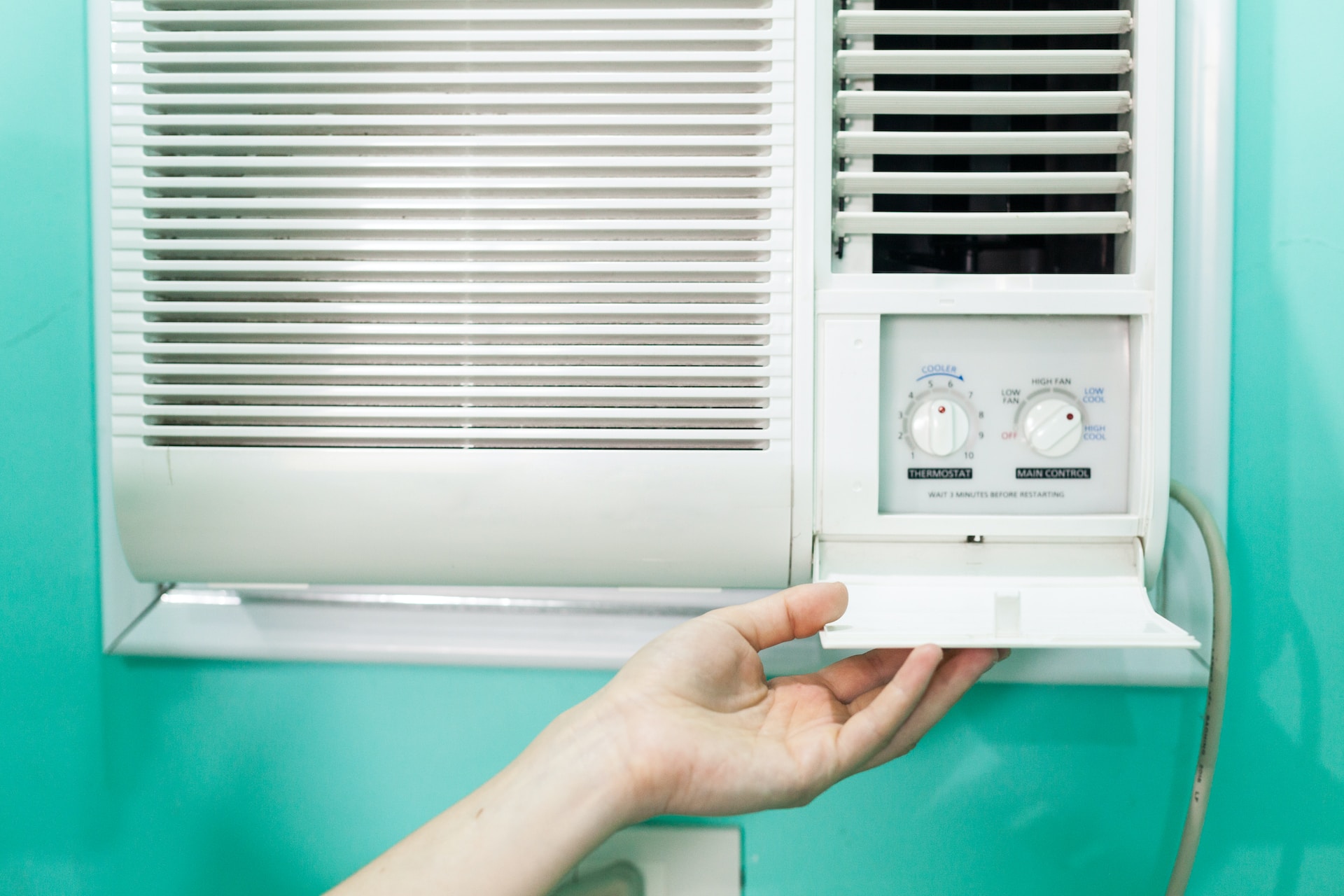
Winters on the Mornington Peninsula can feel a bit nippy, but boosting your home’s energy efficient heating doesn’t mean living in an igloo. I’ve paid my share of high bills under the doona, so I learned the tricks that keep a home cozy without melting your wallet or the environment.
In this guide, I’ll walk you through easy, practical tweaks from maintenance to smart tech to squeeze every bit of efficiency out of your heater. Let’s warm up smarter, not harder.
Why Energy Efficiency Matters
Improving energy efficiency in your heating isn’t just about a smaller bill (though saving coins is sweet). A more efficient system gives you a steady, comfortable warmth while using less power. Think of your heater like a car: a well-tuned engine sips fuel, while a clunky one guzzles it.
In many Aussie homes, heating eats up nearly half of the power usage, so shaving even a few percent off can add up fast. Plus, using less fuel or electricity means fewer greenhouse gases, a tiny win for the planet. As an example, I used to blast the thermostat too high and found myself chugging coffee all night. Turns out, dialing it just one or two degrees lower (to around 18–20°C) kept me warm and cut the meter readings.
For a local touch, I chatted with the Expert of energy efficient heating in Mornington Peninsula. They’ve heard it all: common culprits like leaky vents or dirty filters, and how simple fixes often make the biggest difference. With their advice in mind, I tackled my own system piece by piece. The good news is, you don’t need a PhD or a flashy new heater to see results, just the right approach.
Routine Maintenance and Tune-ups
Treat your heater like you treat your car: regular check-ups will keep it purring. For example, I make a habit of cleaning or replacing my air filter every few months. A dusty filter is like breathing through a straw, your heater has to work extra hard, and it can add around 10% or more to the energy usage. I also vacuum or wipe down the vents and grilles to keep airflow smooth.
Some quick to-dos (yes, these can be bullet points):
– Clean or replace filters regularly: A clogged filter slurps extra energy. I swear by swapping mine every 1–3 months during heavy use.
– Get an annual service: Even if everything looks fine, have a professional inspect key parts once a year (especially for gas furnaces or hydronic systems). They’ll check the flue, burner, and safety controls so your heater runs safely and efficiently.
– Seal duct leaks: Check any exposed ducts in the ceiling or under the house. I seal gaps with foil tape or mastic – this keeps hot air in the rooms (not lost in the roof space).
– Inspect vents and registers: Make sure furniture or curtains aren’t blocking outlets, and remove dust so air flows freely.
These maintenance tasks sound small, but they’re basically free energy savings. In fact, keeping your system clean can give back up to 10% efficiency right there. When my cousin neglected a tune-up, their heater wheezed and rattled. After a quick service, the house warmed up faster and bills dropped noticeably. Don’t let neglect turn your heating into a budget vacuum.
Master Your Thermostat and Timers
Here’s where you can be clever: your thermostat isn’t just a glorified doorknob to crank the heat. I treat mine like a command center. First, I keep the house around 18–20°C when I’m at home and warm up a little just before bedtime. Then it’s off or set way low when I leave or sleep. Each degree up over 20°C can add 5–10% to my heating usage, so I find that sweet spot between “snug” and “scorching.”
If your thermostat is old-school, consider a programmable or smart model. My new Wi-Fi thermostat lets me tweak the schedule from my phone. For example, I program the heater to turn on 30 minutes before my alarm — that way the bathroom is toasty when I pad downstairs, but I’m not heating an empty house overnight. You can easily set it to come on before you or your family roll out of bed, or even switch off during the day.
Also, heat only the rooms you use. Close vents or doors to unused bedrooms and shut off any unused zones. My partner and I used to heat the spare guest room 24/7, which was pure waste.
Now, if nobody’s sleeping there, we keep it off (a simple door snake at the bottom of the door helped seal the chill). Even if your system isn’t zoned, blocking off a bedroom or two manually can save heaps. Think of it as keeping heat in a thermos: only warm the space you’re sipping from.
In short: use timers and zoning wherever you can. It takes a minute to program the heater to your routine, and you’ll notice the difference in both comfort and kilowatts.
Seal and Insulate for Less Waste
A well-sealed, insulated home is like a cozy jumper for your heater. First, check for any draughts. In my house, I found cold air sneaking in around the front door and old window frames. I applied weatherstrips and caulk to gaps, and even simple DIY stuff like a door “snake” (fabric draft stopper) cut out a ton of cold air. Those small fixes can reduce heat loss by around 15–25%.
Curtains and window coverings also help. Closing thick curtains at night made a surprising difference; I was basically trapping heat near my floor instead of losing it out the glass. On sunny winter days I open them to let in the free warmth of the sun, and close them again at dusk. Some people even use bubble wrap on high-loss windows or fitted pelmets above curtains to block drafts.
Ceiling insulation is another biggie. Imagine that 40–50% of a poorly insulated home’s heat escapes through the roof (it’s true: heat rises!). I discovered that adding or topping up ceiling insulation can cut my heating needs by half.
That’s like the house wearing a snug thermal cap. Even if you can’t do a full overhaul right away, check if a DIY insulation kit or hiring a pro is possible — it’s an investment that pays off in saved energy year after year.
Before moving on, here’s a quick summary table of some upgrades and their impact:
| Action/Upgrade | Benefit/Potential Saving |
|---|---|
| Lower thermostat by 1°C | About 5–10% off heating costs (every degree really counts) |
| Seal drafts (doors/windows) | Cuts heat loss by ~15–20% (keeps warmth inside where you want it) |
| Upgrade ceiling/wall insulation | Roughly 40–50% reduction in heating needs (insulation is like a coat) |
| Switch to a reverse-cycle heat pump | Often $1,000+ per year saved (vs older gas or electric heaters) |
| Regular maintenance (clean filters) | Prevents ~10% efficiency loss (system runs smoother and lasts longer) |
(Table: Common steps to improve heating efficiency)
With these home improvements, you’re trapping more of your heater’s warmth indoors. My living room went from feeling “drafty” to snug once the seals were in place. It’s amazing how a little insulation or a draft excluder can make the heater’s job a lot easier.
Smart Upgrades for Your Heater
Let’s talk about upgrades that may sound big, but can really pay off. First up: reverse-cycle heat pumps. These units (often called reverse-cycle air-conditioners) are incredibly efficient because they move heat instead of creating it.
In simple terms, they pump warmth into your home with far less power. If you have an older gas wall furnace or electric storage heater, switching to a heat pump can slash your bills. Many Aussies see on the order of $1,000+ saved per year by making the switch. And bonus: in summer the same unit cools your home!
Another upgrade: zoning controls. If your ducted system supports zones or dampers, use them. This is a bit techy, but basically it means you can shut off heating to parts of the house you’re not using. I haven’t installed automatic zones, but even manually shutting vents to unused rooms has helped. For example, during workdays I only heat the living and main bedroom, not the spare rooms. It’s like putting curtains in your house that turn on and off!
Finally, smart thermostats and sensors can help fine-tune use. We covered scheduling, but some smart systems learn your habits and adjust temps automatically. Even a simple programmable thermostat can pay for itself: it prevents you from (for instance) forgetting to turn off an expensive gas or electric heater when you dash out for coffee. I splurged on a smart thermostat last year, and it has easily saved more in power than it cost.
And here’s a quick shopping list of tech tips:
– Reverse-cycle heat pump: Consider adding one if your main heating is old or inefficient.
– Programmable/smart thermostat: Use schedules or geofencing to avoid wasting heat.
– Temperature sensors: Place extra sensors in bedrooms or living areas so the heater only runs when needed.
For further inspiration, check out the Australian Government’s Seasonal Energy Saving Tips – they back up these ideas. Their winter guide literally advises setting heaters to around 18–20°C, and only heating occupied rooms, just like we discussed.
Conclusion
There you have it: a toolkit of tricks to make your existing heating system smarter, leaner and more efficient. Keep up those tune-ups, play with your thermostat’s settings (and timers), seal up leaks and batten down the draughts. Even small fixes add up to big wins: fewer energy dollars out the window, and a fatter wallet (and piggy bank) at the end of the day. Plus, it’s a pat on the back for the planet.
Now it’s your turn! This week, pick one tip, maybe lower your thermostat by a degree, or clean that dusty filter and see how it feels. You might be surprised how warm you still are, and by how much your bill dips.
Got a genius hack of your own? Share it with friends or family. And if you want customized advice, reach out to a local expert for an assessment. Stay warm, save money, and enjoy the comfort knowing you’ve got efficiency working on your side!
