
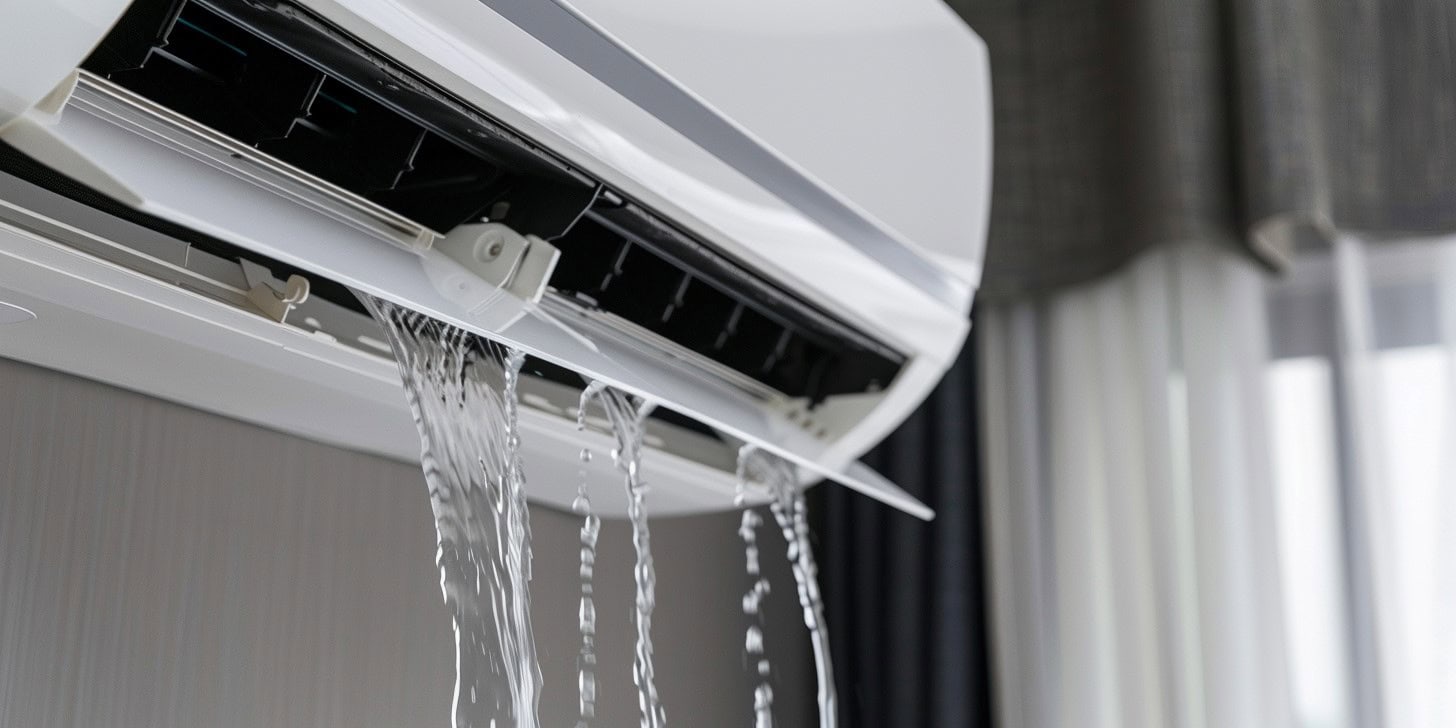
You walk past your indoor unit, you hear a tiny “plink”, and then you see it: a puddle under the aircon. In the Mornington Peninsula, that puddle loves humid weather, timber floors, and your busiest day.
When a Split System leaks water inside, I treat it like a warning light. I can often sort it quickly, but I never ignore it, because water and plasterboard don’t play nice.
If you need help fast, I recommend booking split systems repairing in Mornington Peninsula so you can get a clear diagnosis without guessing.
Your Split System pulls humidity out of the air while it cools. That moisture turns into condensation, then it should run into a drain tray and flow outside through a drain line. When the water can’t escape, it finds the nearest exit, and your lounge room becomes the exit.
Before I troubleshoot, I protect the space. I switch the Split System off at the remote, I catch the drip with towels, and I move anything valuable out of range. If the leak sits near a powerpoint or the wall looks soaked, I also switch power off at the isolator.
Next, I confirm what “leaking” means. Water outside near the outdoor unit often counts as normal condensation (especially in humid weather or during heating). Water inside always deserves attention.
Quick diagnosis: where does the water show up?
I start with location and timing, because that detail points to the cause.
Droplets on the front louvres can look scary, but humidity and settings can create “dew” on plastic parts. Drips from the bottom edge of the indoor unit usually point to drainage trouble. Leaks that start after long cooling runs often point to ice melting off the indoor coil.
Here’s the quick “urgency meter” I use so I don’t overreact, or underreact.
| What you see | What I assume first | What I do next |
|---|---|---|
| Light droplets on louvres on a very humid day | Dew from humidity and settings | I raise fan speed and bump temperature slightly |
| Steady dripping from the bottom edge | Drainage trouble | I switch off and start the drain checks |
| Water running down the wall or staining plaster | Installation or drainage failure | I stop the unit and call a technician |
Insert image of: indoor unit dripping onto a towel in a modern living room here.
Common causes of a Split System leaking water inside (plus fixes)
I see the same few causes across most brands, and I keep this table handy.
| What you notice | Most likely cause | What I do first | What usually fixes it | DIY safe? |
|---|---|---|---|---|
| Drips from the bottom lip | Blocked drain line or dirty tray | I check if water drains outside | Drain line and tray clean by a technician | Sometimes |
| Water runs down the wall | Drain hose slope issue or unit out of level | I inspect hose fall and kinks | Re level unit, restore proper fall | No |
| Leak after long runs | Frozen coil from poor airflow | I clean filters and let it thaw | Filter clean, then pro check if ice returns | Yes, cautiously |
| Musty smell with moisture | Build up in tray, drain, or fan barrel | I clean filters and improve airflow | Deep clean and drainage flush | Mostly no |
| Random dripping | Cracked tray or loose internal connection | I stop the system and protect the wall | Parts inspection and replacement | No |
Blocked drain line or gunky tray
Condensation should drain outside. When sludge builds up, the tray fills faster than it drains, and a Split System can leak water inside.
Dirty filters that trigger ice
Filters protect airflow. When filters clog, the coil can ice up, and the meltwater can overwhelm the tray later. I clean filters first because it fixes a lot quickly.
Drain hose problems outside
A drain hose needs a smooth downhill run. If it bends upward, kinks, or sits with the end submerged in water, it can push water back inside.
High humidity plus “wrong settings for the day”
On sticky Peninsula afternoons, I avoid extreme settings. I aim for comfort, I run a medium to high fan speed, and I use Dry mode for a short block if the room feels damp.
Insert image of: close up of the drain hose outlet outside with clear dripping and a downhill hose run here.
Safe fixes you can try today
I stick to low risk moves that solve the most common causes.
1) Switch it off and protect the room
I stop the Split System, catch the drip, and keep water away from powerpoints.
2) Clean and dry the filters
I rinse gently, use mild detergent if needed, and let them dry fully before reinstalling. Then I test the unit and watch the drip point.
3) Check the drain outlet outside
I find the drain hose exit and make sure it points down, stays straight, and doesn’t sit under water. If the outdoor end stays bone dry while the indoor unit leaks, I suspect a blockage.
4) Reset your settings for humidity
If you mainly see droplets on the louvres, I raise fan speed and I stop setting the room to “freezer”. I sometimes run Dry mode for a few hours, then I switch back to Cooling.
What I avoid doing
I don’t open the indoor unit beyond the filter cover. I don’t poke objects into the drain. I don’t keep running while cooling through ice. I don’t ignore wall staining.
If the leak continues after these steps, I stop and I call a technician.
When I call a licensed technician
I call a professional fast when I see continuous leaking, stained plaster, bubbling paint, electrical smells, or repeat coil icing. I also ask about the right refrigeration and electrical licensing for Victoria, because refrigerant work and electrical work need the right qualifications.
To get value from the visit, I ask for three checks:
- A drain tray and drain line inspection and clean
- An airflow and coil icing check (not just “wipe it dry and leave”)
- A quick installation check so the unit drains with the right fall
Prevention tips that suit Peninsula living
I keep it simple. I clean filters regularly during heavy use seasons, and I schedule a service about once a year before summer. I also manage humidity by closing doors and windows while the aircon runs on sticky days.
If you run a holiday rental, I add one extra rule: I leave a note for guests to keep windows shut while the Split System runs. Otherwise the unit fights a constant stream of humid coastal air, and the drain line works overtime.
I also move quickly because damp spots can trigger mould, and mould can irritate breathing. The Victorian Better Health Channel explains that mould thrives in damp, poorly ventilated areas, and moisture control matters most, so I treat indoor leaks as a fix it now job: Mould and your health.
Conclusion
A Split System leaking water inside usually points to drainage or airflow. Start with filter cleaning and a quick drain hose check, then call a licensed technician if the leak continues.
If your Split System drips indoors right now, don’t wait. Do the quick checks today, then book an inspection so you can fix the cause and protect your home.
