
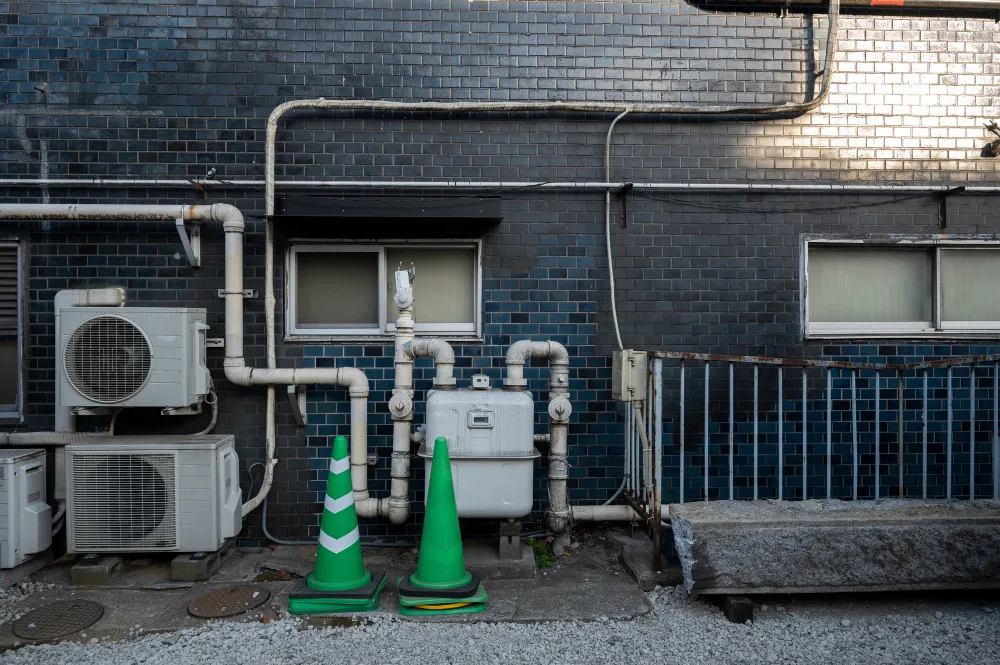
Imagine stepping into a toasty home on a chilly Mornington Peninsula morning, with that cozy warmth hugging your toes. When it comes to keeping your home snug, two popular choices stand out: hydronic heating (water-based systems with radiators or underfloor panels) and gas ducted heating (warm-air systems with ceiling ducts and vents).
Both have loyal fans, but which one is right for your property? I’ve chatted with local experts and done the homework, so let’s break down the differences in a clear, no-nonsense way – with some witty asides and personal insights thrown in.
Heating matters in Mornington Peninsula. Winters here are mild by Australian standards – think average July lows around 6–7°C – but damp coastal winds and cold nights make heating a must for comfort. You don’t have to be an old salt to know that a warm living room (and warm feet) beats shivering under extra blankets.
The real question is how to heat efficiently: hydronic systems or gas ducted systems? Each has its own personality. Spoiler: it’s a bit like comparing a laid-back barista-style latte (radiant hydronic warmth) to a quick-shot espresso kick (blast-furnace ducted heat). As per climate control specialists, there’s no one-size-fits-all.
Let’s dive into what each system is, how it works, and the pros/cons – so by the end you’ll know which suits your home’s size, layout, budget and even aesthetic.
Hydronic Heating:
Think of hydronic heating as old-school brilliance. A boiler warms water, then pumps it through pipes into radiators, baseboards or underfloor circuits. Imagine a network of warm veins under your floorboards or behind wall panels. The beauty? Heat radiates gently from surfaces. It feels like a warm hug for your home. Hydronic systems can be powered by gas boilers, oil, or electric heat pumps (and even solar-assisted systems).
They distribute heat evenly and quietly – perfect if you hate the whirr of fans or flying dust. Indeed, Australian energy guides note that hydronic systems are silent and don’t circulate dust particles. They also allow precise zoning: you can have the kitchen toasty while letting spare bedrooms stay cooler. The catch? They tend to cost more up front.
Installation (digging floors for pipes or mounting panels) is fiddly and usually pricier than snapping in ductwork. But once in, they run efficiently – especially if you go electric or solar-powered – saving on bills over time.
What is Hydronic Heating? In hydronic systems, a central boiler heats water, then pumps it through pipes to radiators, wall panels or under-floor tubing. The warmed surfaces gently radiate heat into rooms. It’s an efficient, even way to warm up your home, without blasting air.
Gas Ducted Heating:
This is the classic forced-air approach, and many Aussie homes have one. A gas furnace (using natural gas or LPG) heats air, then a big fan blows it through ductwork in the ceiling or underfloor, out through vents in each room. Picture a warm-air volcano under your house, with vents spewing heat where you need it.
Ducted systems fire up quickly – you get warm air fast – and can also be set up with zones (so you heat only living areas at a time). They don’t need pipes in walls or floors, so initial install is usually cheaper and less disruptive. However, the constant fan means some electricity use, and the heated air can stir up dust.
The Australian Government cautions that ducted gas heaters can be “expensive to operate” due to gas consumption and fan power. In plain English: running costs can add up, especially if your system is older or not very efficient. On the bright side, ducted systems can be paired with cooling (like a ducted evaporative cooler or reverse-cycle AC) for year-round climate control.
What is Gas Ducted Heating?
Gas ducted heating uses a furnace (natural gas or LPG) and large fan. Warm air is forced through ceiling ducts and vents into each room. It heats up spaces quickly. You won’t need radiators or pipes, just vents and a gas supply.
Efficiency, Costs and Comfort: Head-to-Head
Energy Efficiency:
If we look at just efficiency (not costs), hydronic vs gas ducted can be quite similar if they use the same fuel. For example, a top-notch gas boiler or heat pump plus good insulation can rival a high-star gas furnace. Industry experts agree that both systems can be very efficient if properly sized and zoned. The difference comes in how that energy feels in your home. Hydronic feels cozier (radiant heat), and you stay warm even at lower thermostat settings. Ducted feels like a blast of warm air – great for quick heat-ups, but it can also lose heat fast once it’s off.
In Mornington’s climate, winter nights can get crisp; you’ll appreciate instant warmth from a ducted unit. But come morning, you might still have chilly corners, whereas hydronic panels or underfloor stay toasty with residual heat. So in terms of comfort per kW used, hydronic often has the edge – especially if paired with an efficient boiler or electric heat pump.
The government site notes that hydronic systems have lower running costs when powered by heat pumps or solar. That’s a big clue: if you go with an electric hydronic boiler (or even better, a hydronic heat pump), you can tap into Victoria’s push for electrification and save on gas. Meanwhile, gas ducted heating must burn gas (and spin fans), so even the best models can’t exceed their fuel limits. Anecdotally, many locals say their winter gas bills were eye-opening after switching to a heat pump hydronic system.
Installation & Upfront Cost:
Hands-down, gas ducted is usually cheaper to install. You need a furnace and vents, which is simpler than laying pipes and wiring panels through floors. Ducted jobs can often piggyback on existing ductwork or fit into new ceilings, so labour and materials can be much less. In contrast, installing hydronic (especially underfloor) can involve construction work, trenches or raised floors. You’re paying more for that radiant comfort upfront.
Operating Cost:
Here’s the rub: while gas ducted is cheaper to buy and fit, it often costs more to run. That government guide flat-out says gas ducted systems “are expensive to operate”. Natural gas prices can spike, and those big blower fans sip electricity. Hydronic boilers do burn fuel too, but they distribute heat more effectively; plus an electric heat-pump hydronic system (or a gas boiler with condensing efficiency) can really trim costs.
Some analyses suggest modern hydronic setups can be up to 30–40% cheaper to run than a typical gas ducted system. The exact numbers depend on energy rates (gas vs electricity) and system efficiency, but the trend is clear: if your hydronic system uses high-efficiency burners or heat pumps, it typically wins on energy bills.
Comfort & Air Quality:
Hydronic is very gentle. You won’t get that “wind in the hair” feeling from fan-forced air. That also means less dust and allergens cycling around – a bonus if anyone in your home has allergies or asthma. It’s quiet too: no fans whirring, just water flowing (and hopefully a humming boiler).
Gas ducted systems, by contrast, do move air around. That means they can trigger dust or stir up smells (like from chimneys or damp spots). The plus is you can sometimes add quick cooling to a ducted system, making it a 2-in-1. But note: hydronic systems don’t provide cooling at all (unless you add a separate system or a reversible heat pump, which is rare).
Zoning & Control:
Both can do zones, but it’s usually easier with hydronic panels. Each panel (or floor loop) can have its own thermostat, so you literally dial in each room. Ducted systems do have zone flaps, but they’re either single-zone or involve motorised dampers and multi-zone controllers, which complicates things.
In practice, homeowners often zone hydronic by simply opening/closing radiator valves, while ducted systems often just have on/off zones controlled by a switch or damper system. Both let you avoid heating empty rooms, though.
Maintenance:
Hydronic boilers need servicing (like annual checks for safety and venting). Radiators seldom fail, but leaks (rare) can be a pain. Ducted gas heaters also need servicing (clean burners, fans), plus you have to keep filters clean. If the ductwork is dusty or leaky, that’s an issue too. Overall, hydronic systems may require less routine fuss (no filters, no air flaps, quieter running), but if something does go wrong (leak, pump failure), repairs can be more specialised.
Lifespan:
A well-maintained hydronic system (radiators and copper piping) can run happily for 20–30 years. Many boilers last 10–15 years, then need replacement (though high-end ones can last longer). Gas furnaces also last a couple of decades typically, but with the moving fan and heat exchanger, they might wear out slightly sooner. Both systems have long lives if kept up, but hydronic panels/radiators themselves are rock-solid.
Quick Comparison Table
| Feature | Hydronic Heating | Gas Ducted Heating |
|---|---|---|
| Heat delivery | Radiant warmth via hot water in pipes or panels; gentle & even heat. | Warm air blown through ceiling/underfloor ducts and vents; quick heat. |
| Fuel/Energy source | Gas or electric boiler (or heat pump), even solar assisted. | Mainly natural gas or LPG (plus electricity for fan). |
| Installation cost | Higher: pipes, radiators, or underfloor circuits need labor. | Lower: furnace + ductwork; simpler and often faster to install. |
| Running cost | Moderate/low if high-efficiency boiler or electric heat pump is used. | Often higher – gas plus fan electricity; Australian guidance says it’s expensive to run. |
| Comfort | Very even, no draft, keeps surfaces/walls warm. Quiet. | Fast heat-up of air; can feel drafty when on; cooler corners without zoned damper. |
| Noise | Very quiet (only boiler/pump hum). | Noticeable fan/duct noise when running. |
| Air quality | No circulating air; fewer dust/allergens. | Circulates air (filter can trap some dust, but unfiltered returns may stir allergens). |
| Zoning | Easy zone by room with separate valves/loops; very precise. | Zoning possible but needs motorised dampers or separate zone controllers. |
| Maintenance | Annual boiler service; leak check. Radiators last decades. | Annual service for burner and fan; clean filters/dampers periodically. |
| Lifespan | Radiators/pipes ~ 20–30+ years; boilers 10–15+ years. | Furnace ~15–20 years; ducts 20+ years (with maintenance). |
| Special notes | Can run on renewables (electric heat pump, solar assist); no cooling capability. | Can integrate with cooling or evaporative cooling; must burn gas, which is being phased out in some regs. |
Which is Best for Your Home?
Choosing between hydronic and gas ducted is like picking a pair of boots: it depends on the terrain and style. Let me walk you through scenarios:
- Big open plan spaces or high ceilings? Hydronic shines at gently warming large areas evenly, especially if you use underfloor heating. Gas ducted will still work, but you might hear and feel the air movement in big volumes.
- Heritage or older brick homes (common on Peninsula)? Retrofitting hydronic (especially underfloor) can be tricky and costly. Gas ducted might be easier if ducts already exist or if a roof cavity is available. But if you can bear the renovation, hydronic panels on walls can still fit beautifully.
- Lifespan and maintenance comfort? Hydronic panels hardly age visually. If you like low-maintenance style (no visible vents, long-lasting radiators), hydronic wins. If you don’t mind filters and vents, ducted is fine too.
- Allergies or indoor air quality concerns? No contest – hydronic is better for sneezing relief, as it doesn’t stir up dust. Also, if silence is golden (or if you have babies or light sleepers), you’ll appreciate hydronic’s quiet warmth.
- Budget constraints? If initial budget is tight, gas ducted might feel easier. But don’t forget running costs: a cheap install could lead to higher bills long-term, as noted by energy authorities. Sometimes it’s worth stretching for an efficient hydronic system to save later.
- Future-proofing: Victorian regulations are increasingly favouring electric solutions. From 2027, gas hot water must be replaced with electric when it fails, and incentives exist for heat pumps. If you care about your property’s green credentials, or plan to stay many years, a hydronic system (especially with a heat pump boiler) could align better with the direction of rebates and regulations.
Now, I know what you’re thinking: “That’s a lot to consider!” It is. Every home and homeowner is different. You might even find many in Mornington running a reverse-cycle aircon for both heating/cooling instead; that’s another option (nice high efficiency, dual use). But between these two, hydronic often offers coziness and low running bills, while gas ducted offers speed and lower upfront cost.
Climate Control Specialists have seen both systems in action. The best choice usually comes down to your property specifics (insulation, floor type, existing gas lines) and what feels best to you – do you want even, radiant heat or quick blasts of warmth?
Key Takeaways
- Hydronic systems use hot water and radiators/underfloor circuits; they heat evenly and quietly (no dust). Running costs are generally lower if you use high-efficiency boilers or electric heat pumps.
- Gas ducted systems use a furnace and fans to blow warm air through ducts. They heat up rooms quickly and usually cost less to install, but fuel and fan electricity make them pricier to run.
- In our Mornington Peninsula context, mild winters mean even moderate heating suffices. If you want elegant heating with low allergy impact, hydronic is very attractive. If you want instant warmth on cold nights and a smaller initial outlay, gas ducted could be tempting.
- Government advice backs this up: hydronic is best paired with renewable sources (quiet & efficient), while gas ducted is effective but flagged as “expensive to operate” due to gas use and fans.
Ultimately, there’s no wrong answer – it’s about matching your needs. Have a heart-to-heart with a certified installer (we’d love to chat, as climate control specialists), compare quotes, and weigh long-term costs.
Conclusion
Choosing between hydronic heating and gas ducted heating is a bit like deciding between a gentle ocean breeze and a roaring campfire: both warm you up, but in different ways.
Hydronic heating is the silent, cozy option that may cost more up front but rewards you with even warmth, zoning freedom and usually lower bills. Gas ducted is the pump-up-your-jam option: quick, upfront-cheap warmth (and sometimes cooling options), but it can leave you shivering when it’s off and watching gas bills climb.
The right pick depends on your home’s layout, your budget, and what kind of comfort you crave.
Whichever you lean towards, make sure to get a professional assessment and compare the lifetime costs. Think about how long you plan to be in your property, and how new energy rules (and rebates) might influence the smart choice. The shores of Mornington may be temperate, but a good heating system is still key for those chilly winter nights.
So, cozy up, do the research, and when you’re ready to decide, reach out to trusted HVAC pros to get the right system tailored for you. Stay warm and happy heating!
Love this advice? Got more questions about heating your Mornington Peninsula home? Drop a comment or call your local HVAC expert to discuss the best hydronic or ducted solution for you.
