
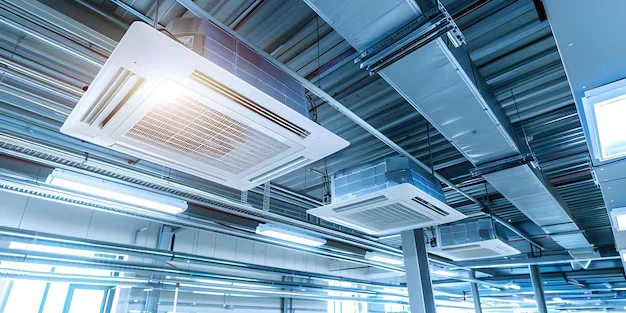
Heat has a sneaky way of taking over a workspace on the Mornington Peninsula. One minute everything feels calm, and the next the air gets heavy, the room warms up, and everyone starts looking for excuses to step outside.
A reliable Commercial Air Conditioning system changes that completely — keeping the atmosphere cool, the workflow steady, and the whole place feeling far more comfortable. This guide walks you through the systems, costs and smart upgrades that help businesses stay ahead of the heat using simple, practical choices.
Stay cool, save cash. Aircon choice isn’t just about kicking on a fan. In many office buildings, HVAC (Heating, Ventilation & Air Conditioning) can chew through half of all energy use. That’s a massive slice of your power bill. Upgrading to efficient systems or smart controls can cut energy use by up to 30%.
In other words, spending on a good aircon now means saving on bills (and headaches) later. And bonus – a greener building can improve ratings under schemes like NABERS (National Australian Built Environment Rating System) and even attract energy rebates.

Types of Commercial Air Conditioning Systems
Choosing the right system is a bit like picking the right clothes – it depends on the weather (and the occasion). Commercial aircon comes in a few main styles:
- Split (Ducted) Systems: These have one outdoor compressor and one or more indoor units. They’re common for small shops or offices. You might see wall-mounted split heads or a central indoor unit with ducts (often in ceilings). Think “single outdoor box, multiple quiet cool vents inside.”
- Multi-Split / Multi-head Systems: One outdoor unit can serve 2–5 indoor heads. Great for medium businesses, cafes or shops where you need cool in several rooms without a giant outdoor unit per room.
- Rooftop/Ducted Systems: These are the workhorses. A big packaged unit (often on the roof) drives air through ducts or plenums. Ideal for larger restaurants, event halls or open-plan offices. They deliver lots of kW of cooling and can distribute it evenly.
- VRF/VRV (Variable Refrigerant Flow/Volume): Fancy name for flexible systems. Multiple indoor zones connect to one or more outdoor units but with electronic control of refrigerant flow. These systems automatically adjust cooling to match each zone’s needs (sunshine in one side, shade in another). In practice, they offer very tight temperature control, great for big hotels or multi-story offices.
- Chillers + Air Handling Units (AHUs): For very large buildings or complexes (think universities, hospitals, malls). A chiller cools water in a central plant; that chilled water runs through air handlers in each zone. This is an industrial-scale solution, with big cooling towers or chillers.
| System Type | Capacity & Coverage | Typical Cost Range (AUD) | Best For |
|---|---|---|---|
| Split System | ~2–10 kW, single zone | $1,500–$5,000 per indoor unit | Small shops, offices, small cafes |
| Multi-Split | ~3–12 kW per head | $5,000–$15,000+ (total) | Medium offices, multiple small rooms |
| Ducted (Rooftop) | 10+ kW (whole zones) | $15,000–$50,000+ | Large shops, restaurants, offices |
| VRF/VRV | 10–50 kW+ per branch | $20,000–$100,000+ | High-rise, multi-zone buildings |
| Chiller + AHU | 50+ kW (scale to MW) | $50,000–$500,000+ | Malls, hospitals, campuses |
The above figures are rough. Exact costs depend on brand, size and installation complexity. For example, installing multiple indoor units (multi-split) in an existing building can run $8,000–$25,000 or more, whereas a large ducted rooftop system might start around $15,000 and climb much higher.
In general, bigger capacity = more cost, and more complexity (lots of units or tricky installation) bumps the price up. Pro tip: Always check the Energy Rating label. A 5-star unit might cost a few hundred dollars more upfront, but it will shave 10–20% or more off your power bill each year. Over 5 years, that can pay back the extra cost.
Budgeting and Cost Factors
So what eats your budget? Here are the main cost drivers for commercial AC:
- System Type & Size: As above, VRF and chillers cost more than simple splits. Larger kW systems need bigger compressors and more components.
- Installation Complexity: A straightforward wall mount in a ground-floor cafe is cheap. Installing ducts through an existing ceiling or cutting holes in concrete walls adds time (and dollars). For example, drilling through brickwork or running long refrigerant lines will add labour.
- Labour Rates & Location: Licensed HVAC technicians typically charge $80–$150 per hour (often more for after-hours or weekend work). Hiring multiple specialists (electrician, refrigeration mechanic) for one job can stack up quickly. Remote locations or restricted sites (older buildings with tricky access) will also cost extra.
- Permits & Regulations: Commercial installations must meet Australian Standards and local council codes. This might require building permits, electrical checks or special insulation. Plan for a couple of hundred to a few thousand for paperwork and compliance.
- Existing Infrastructure: Replacing an old system might save on ductwork, but you may need to upgrade your switchboard or install new power circuits. For example, one homeowner learned her 7.2 kW system needed a new 20-amp circuit – adding about $650 to the quote.
- Features & Extras: Zoning (separate thermostats for different areas), advanced filtration, UV air purifiers, or noise control can all add to cost. Even simple things like extra refrigerant length (if indoor and outdoor units are far apart) mean more material and labour.
Putting it all together, industry guides suggest commercial ducted systems often range $14,000–$25,000 for a moderate setup, while a bigger multi-head system could be $8,000–$25,000+ depending on coverage. Keep in mind these are ballpark figures.
The best move is to get quotes from a few reputable installers who can tailor the quote to your actual needs. When you receive quotes, watch out for very low bids. They might look good, but could cut corners or spring surprises.
The sweet spot is a detailed estimate that breaks down equipment, labour, parts and any extras. If a quote looks “too good to be true,” ask lots of questions or get a second opinion.
Smart Upgrades and Energy Efficiency
Now for the cool stuff (literally) – technology and strategies to make your system smarter. Modern Commercial Air Conditioning isn’t just about blast-it-cold on/off. Smart upgrades can save a bunch of money and reduce hassle:
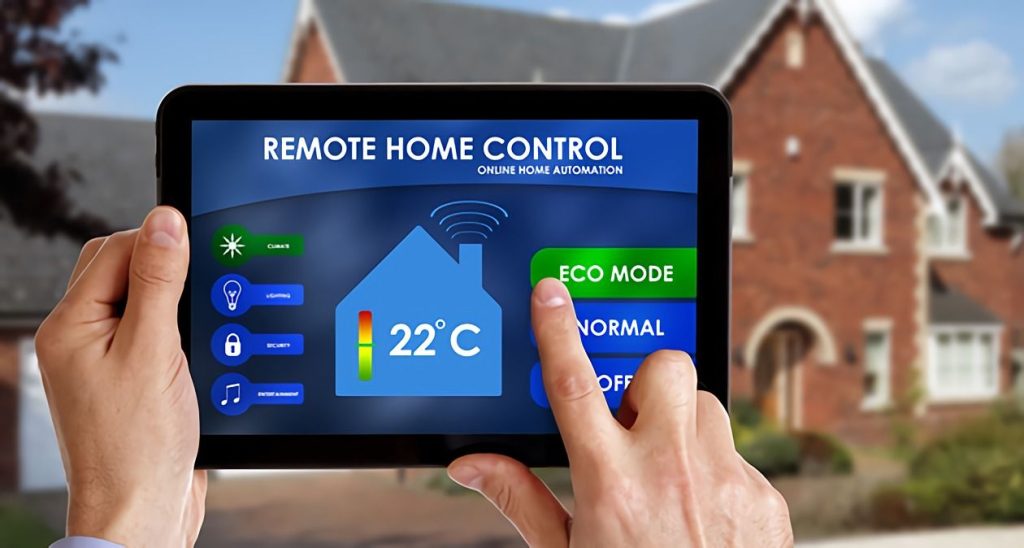
- Smart Thermostats & Sensors: These are beyond the basic wall dial. Imagine a smart controller that learns your business hours and adapts. Or sensors that detect when rooms are empty and turn down cooling automatically. This way, you’re not wasting cooling on empty conference rooms.
- Variable Speed Drives: On fans and compressors, these adjust power to match demand. Instead of always running “full tilt or nothing,” a VSD can creep up or down smoothly, using far less electricity when full blast isn’t needed.
- Building Management Systems (BMS): For larger setups, a centralized computer system can run all your aircon (and lighting, security, etc.) on one dashboard. You can program schedules, get alerts on malfunctions, and even control settings from your smartphone.
- Variable Refrigerant Flow (VRF) Tech: As mentioned, VRF systems are inherently “smart.” They continuously tweak refrigerant flow to each indoor unit so each zone hits its set-point exactly, instead of wasting energy cooling it beyond need. This means no more one-room freezing while another is sweltering.
- IoT and Remote Monitoring: New AC controllers can connect to the internet. Facility managers can check system performance live, even on holidays. If a filter gets too dirty or a part is failing, the system can notify you or an engineer before it turns into a costly breakdown. Smart IoT controls “automatically optimize performance to suit occupancy and conditions” – they literally learn and adjust in real time.
By investing in these upgrades, businesses can often reduce HVAC energy use dramatically – some report up to 30% savings just by adding smart controls and better algorithms. In practice, this means lower running costs and happier staff (no more thermostat wars).
Even the Australian Government notes that high-efficiency HVAC options can pay for themselves over time via energy savings.
Maintenance and Longevity
A fun analogy: think of your AC system like a car. If you never service it, it’ll choke on dust, break down, or guzzle fuel. Regular maintenance is key to keeping systems running well for their full life (often 10–15 years or more for a commercial unit). Simple tasks include:
- Cleaning/Changing Filters: Dusty filters force fans to work harder. In dusty or high-traffic businesses, check filters monthly.
- Checking Refrigerant Levels: Leaks happen. Low refrigerant means less cooling and potential compressor damage. A trained tech should do an annual leak check and top-up if needed.
- Inspecting Coils & Fans: Outdoor units get clogged with leaves and grime. Indoors, coils can get greasy. These parts need periodic cleaning to maintain airflow and efficiency.
- Testing Controls and Electricals: Thermostats, safety switches and wiring should be inspected yearly. Faulty controls can cause systems to short-cycle (bang on/off) which wastes power and wears out components.
Regular servicing not only keeps your space comfy, it also keeps warranties valid. Many manufacturers require proof of annual service. Plus, catch a minor issue early (like a corroded connection or starting capacitor problem) and you avoid a big failure (and a hot, chaotic workplace).
Rebates, Regulations and Ratings
Australia has rules and programs aimed at cutting energy use in buildings. Air conditioners must meet national efficiency standards, and buying a top-rated unit can earn government rebates or points in rating schemes.
For example, the Victorian Energy Upgrades (VEU) program offers rebates on approved efficient aircon systems. As one Victorian energy site notes, “Small businesses can save up to $500 annually, and larger businesses up to $74,000 annually” by using energy-efficient upgrades like these.
Those are some serious savings (think of the free marketing that budget could buy for your business!). Also, if your building is scored on NABERS (common for commercial offices in Victoria and NSW), efficient HVAC will boost your rating – which can attract tenants or buyers.
It’s worth asking your installer about any government grants or programs in your state; incentives change often, and a knowledgeable contractor will know if you qualify for rebates or subsidized loans.
Conclusion
Choosing and upgrading commercial air conditioning doesn’t have to make you sweat. The right system – whether a simple split unit or a sophisticated VRF network – should match your space and budget. The key is balancing up-front costs with long-term savings: higher-efficiency gear and smart controls cost more now, but they pay off in lower bills and happier customers.
Think of it as an investment in both comfort and sustainability. Next time the mercury rises, imagine the relief when you walk into a cool, quiet shop or office – that’s the power of a well-planned commercial air conditioning system.
If you’re feeling overwhelmed, don’t fret. Talking to a Commercial Air Conditioning installation Expert can make the process smoother. They can size the right unit for you, navigate regulations, and maybe even find some hidden rebates. Stay cool, Mornington Peninsula – a smarter AC system is more than comfort, it’s a business asset.
Ready to update your cooling setup? Speak with a qualified installer, compare quotes, and ask about energy rebates in Victoria. A small project now can lead to big savings (and big comfort) all year round.
FAQs
How much does commercial air conditioning cost?
It varies widely. A small business split system (a few kW) might be under $5,000 installed. Medium offices with several units or a multi-split might be $8,000–$20,000. Large ducted rooftop systems often run $15,000 and up. Remember, labour, complexity and efficiency rating all affect the price. Always get multiple quotes and check that each quote includes everything (equipment, installation, compliance).
What factors affect commercial AC costs?
Size of the space and system (kW needed), type of system (split vs ducted vs VRF), installation difficulty (e.g. ductwork, electrical upgrades), and any special features (like zoning or advanced filters). Also consider ongoing costs: a high-efficiency inverter system costs more upfront but saves on electricity.
What is VRF and is it worth it?
VRF (Variable Refrigerant Flow) is a type of HVAC where one or more outdoor units manage refrigerant flow to many indoor units. The system ramps up or down to match exactly what each zone needs, delivering tight temperature control and good efficiency. It’s often more expensive initially, but can be great for buildings with lots of zones or where energy savings and comfort are priorities.
Are there rebates for upgrading commercial AC?
Yes. In Victoria, the Victorian Energy Upgrades (VEU) program offers discounts on efficient cooling systems. Other states have similar programs (e.g. NSW Energy Savings Scheme). Also, some electricity retailers offer incentives for businesses to install high-efficiency equipment. Check with your installer or state energy office for current deals.
How often should commercial AC be serviced?
Ideally, have a professional inspect and service it at least once a year. Dusty or busy environments may need more frequent checks (every 3–6 months). Regular maintenance keeps the system efficient, catches small issues, and prolongs its life.
