
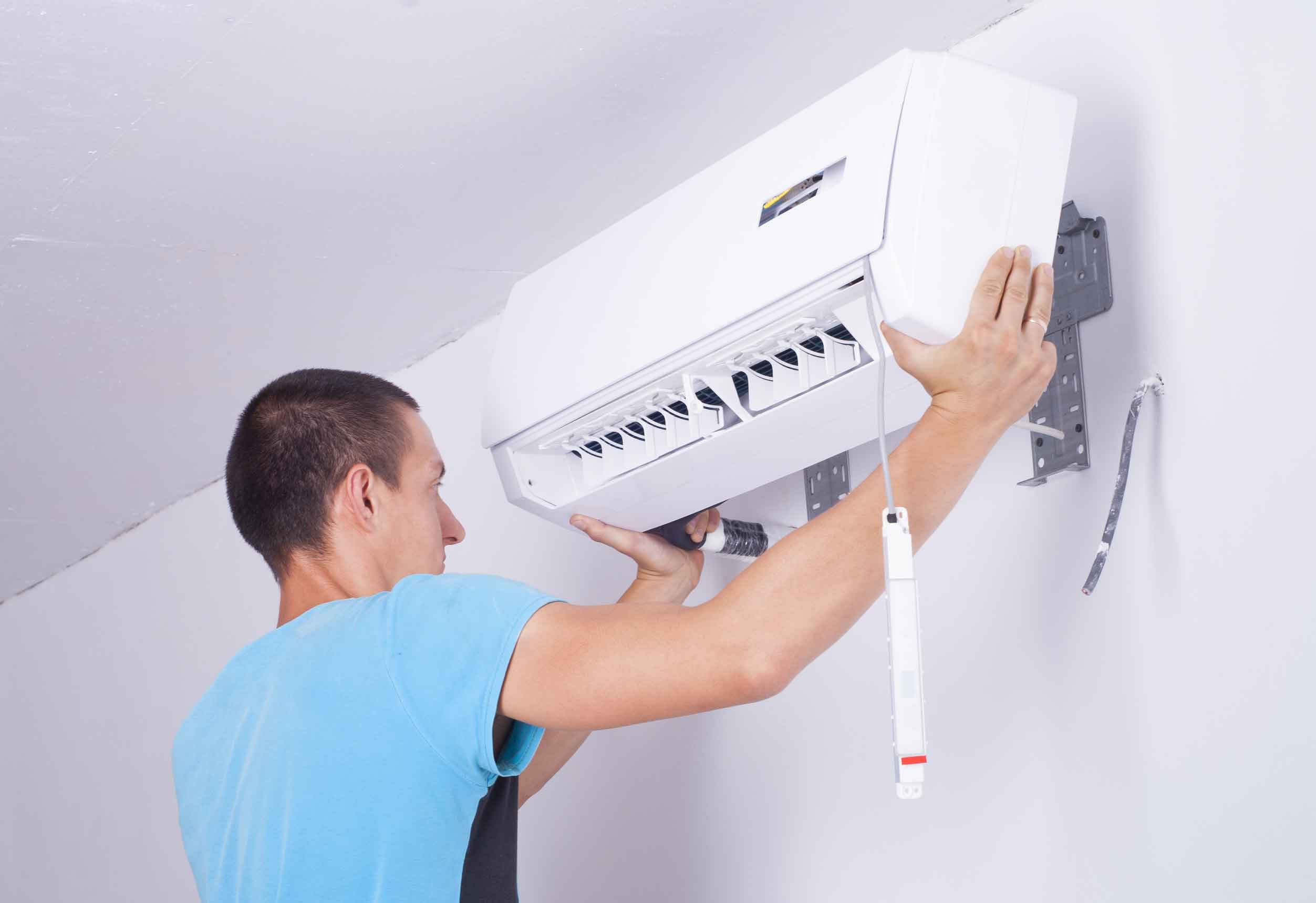
When the summer heat rolls across the Mornington Peninsula, a reliable air conditioner quickly shifts from a luxury to a necessity. If you’ve just purchased a new unit, the next big decision is clear: should you tackle the wall air conditioner installation yourself or hire a professional?
Both paths come with their own mix of costs, risks, and rewards. In this guide, I’ll break down what DIY really involves, what the pros bring to the table, and how to decide which option is best for your home and budget.
The DIY Appeal: Empowered Yet Cautious
DIY projects can be thrilling and budget-friendly, especially for a wall air conditioner installation project. “Why pay someone else when I have a drill and a YouTube tutorial?” you think. You get to pick the install date, pause for coffee breaks, and maybe even earn bragging rights around town. For handy Aussies, this can feel doable, especially since many modern split-system aircons come with detailed manuals.
However, before you fire up that drill, remember: precision is key. Air conditioners aren’t plug-and-play gadgets; they’re complex machines. One wrong twist or skipped step can ruin efficiency or even the unit. That means your new wall aircon might barely cool your lounge and still spike your power bill.
Consider this scenario: have you ever mounted something heavy on the wall? For a wall air conditioner, you’ll need a perfect hole for the refrigerant pipes and a reliable bracket. Over-tighten a screw or misalign the bracket, and you could crack the wall or the unit.
Also, handling refrigerant without training is both dangerous and, in Australia, often illegal (more on that below). Despite these risks, the DIY appeal remains: you save on an installer’s fee and flex your inner handy-person. But at what cost?
DIY Danger Zones: Mistakes & Mishaps
If you’re still tempted to roll up your sleeves, arm yourself with knowledge. Remember: DIY wall air conditioner installation needs skill. Here are some common pitfalls:
- Specialised Tools: You need more than a drill. A proper vacuum pump is essential to evacuate air (moisture, oxygen) from the refrigerant lines. Without it, moisture stays trapped, corrodes components, and kills efficiency. Renting or buying such gear adds to costs.
- Electrical Work: Connecting the AC to your breaker panel isn’t a casual afternoon job. You may need a dedicated circuit or isolating switches for the unit. Professionals follow strict codes – DIY might not, risking safety and compliance.
- Refrigerant Handling: In Australia, you must have a Refrigerant Handling Licence (RHL) to touch the cooling gas. Charging the system wrong can cause leaks or violate laws. That means your DIY ambitions could literally leave you on the wrong side of regulations (and facing fines).
- Hidden Surprises: Wall cavities can hide wires or pipes. Drill without a map and you might nick electrical wiring or plumbing – which means emergency repairs and more expense.
- No Warranty: A DIY install likely voids any warranty on the work. If something breaks or leaks, you’ll foot the repair bill yourself.
All told, DIY might save a few hundred dollars now, but a mistake could cost far more in repairs later. Factor in that fix-it later scenario when weighing the pros and cons.
Why the Pro Approach Shines
Contrast the above with hiring a licensed ac installer for your wall air conditioner installation project. The differences are clear:
- Expertise & Efficiency: Trained technicians handle installs every day. They ensure your system is installed according to the manufacturer’s specifications and local codes, maximizing performance.
- Warranty & Peace of Mind: Professionals usually back their work with a service warranty. If something goes wrong, they’ll fix it. Plus, installing with a pro keeps your unit’s manufacturer warranty intact.
- Time Savings: Forget weekends lost to instruction manuals. A typical split-system install by a pro takes just a few hours.
- Safety & Compliance: Because they’re licensed, pros handle the risky bits safely. They’ll install the isolating switches, grounding, and wiring exactly to code.
- Optimal Results: Professionals help choose the best location for the unit, maximizing airflow and drainage.
- Pro: Proper siting and sizing advice to maximize efficiency (crucial in Mornington’s climate).
- Pro: Faster & safer install – the pros avoid rookie mistakes.
- Pro: Installation warranty covers fixes – and you retain the unit’s factory warranty.
- Con: Higher upfront cost – you pay for skilled labour.
- Con: Need to schedule and wait for an available timeslot.
Think of a pro install as an investment: you pay more now, but gain years of reliable, efficient cooling.
Aussie Rules and Wall AC Installs
Living in Australia means following some strict rules. The Australian Government’s YourHome guide warns that fixed air conditioners “need to be installed by a licensed refrigeration mechanic or electrician.” In practice, this means DIY isn’t just risky – it can be illegal.
Importantly, anyone handling the refrigerant must have a Refrigerant Handling Licence. Victorian regulations are clear: technicians who handle refrigerants must hold this licence. So, if your DIY plan involves hooking up those hoses, think again – you’d be out of line with the law.
Another factor: Mornington Peninsula’s climate. Our coastal location means salt air and moderate summers (avg. 25°C). A poorly installed unit might struggle just as the mercury climbs. Installers know to position units to catch cooling breezes and avoid full sun (keeping efficiency high). They also check or upgrade the circuit breaker – older homes often need rewiring for a new split system.
For official guidelines on air-conditioning, see the Australian Government’s YourHome heating & cooling guide. Always remember: a solid wall air conditioner installation isn’t just about drilling holes – it’s about compliance, safety and long-term efficiency.
Installation Comparison Table
| Aspect | DIY Installation | Professional Installation |
|---|---|---|
| Skill Required | Very high (electrical, refrigerant, drilling) | Low (pro handles complexities) |
| Safety | Higher risk (electrocution, leaks, wall damage) | Low (licensed technicians manage hazards) |
| Upfront Cost | Lower (no labour fee; tools/rental costs) | Higher (includes labour, warranty) |
| Warranty | None (you’re on your own) | Yes (often includes workmanship guarantee) |
| Time & Effort | Long (trial-and-error, often multiple tries) | Short (usually done in hours) |
| Compliance | Risky (likely code gaps) | Guaranteed (installers follow all regs) |
Cost Considerations & Final Thoughts
Money matters. A wall-mounted split system unit itself might run you $800–$2,000 depending on brand and size. Professional installation then adds roughly $600 up to a few thousand more, depending on complexity. Meanwhile, a hands-on DIYer pays mainly for tools (drill bits, vacuum pump, piping kit) and their own time.
Also factor in running costs: a faulty install can reduce your AC’s energy-star rating, hiking bills. In contrast, a correctly-sized, well-installed unit will deliver the efficiency promised on its label. Remember, spend-smart now: investing in a quality install usually means lower power bills later.
One more thing: plan ahead. Installers can recommend energy rebates or more efficient alternatives. Mornington Peninsula councils sometimes support eco-friendly upgrades, so check if any state or federal rebates apply to your new AC.
All in all, your choice boils down to confidence, budget, and timeline. If you’re seasoned with electrical work and have the right tools, DIY could work out (just triple-check every step). If not, many locals find that hiring an expert avoids headaches – and they rarely regret the expense. At the end of the day, a well-done job can keep you comfy for years, while a sloppy one will haunt you every summer.
Whether you end up wielding that drill or passing the job to a pro, a proper wall air conditioner installation is your ticket to summer comfort.
Have thoughts or questions about wall air conditioner installation? Share your install stories in the comments below – everyone loves a good AC success (or cautionary) tale!
FAQs
How much does wall air conditioner installation cost on the Mornington Peninsula?
On the Mornington Peninsula, professional wall air conditioner installation usually ranges from $600 to $1,500, depending on the size of the unit and the complexity of the job. Larger homes or trickier installs can cost more.
Can I do wall air conditioner installation myself in the Mornington Peninsula?
Technically, you can mount the unit and drill holes, but in Victoria you’re legally required to hire a licensed technician for refrigerant and electrical work. Attempting DIY wall air conditioner installation in the Mornington Peninsula without proper licences can void warranties and risk fines.
How long does wall air conditioner installation take in Mornington Peninsula homes?
A professional installer can usually complete a single split-system wall air conditioner installation in Mornington Peninsula homes within 3–5 hours. DIY attempts often take much longer, especially without the right tools or experience.
Who should I hire for wall air conditioner installation in the Mornington Peninsula?
Look for a licensed electrician or refrigeration mechanic with an ARCTick licence. Local professionals familiar with coastal Mornington Peninsula conditions can also help protect your unit from salt air and ensure compliance with Victorian building codes.
