
So you switch the aircon on and suddenly, there’s that weird burning smell floating across the room. It’s the kind of smell that makes you pause mid-scroll on your phone and wonder, “Is my AC about to explode or am I being dramatic?”
Don’t worry — you’re not alone. Lots of Mornington Peninsula homes deal with this, especially during the first warm weekend of the season.
Let’s break down exactly what that smell means, when it’s harmless, and when you really need to pay attention.
What That Burning Smell Usually Means
Before you panic, remember: different smells mean different things.
Some are harmless, others are screaming “please turn me off right now.”
You’ll smell things like:
- Dust burning off
- Overheated electrical parts
- Melted plastic or insulation
- Motor or compressor overheating
Each of these tells a different story.
Common Low-Risk Causes (The Ones You Can Breathe Through)
Most of the time, a burning smell right after turning the AC on is simply dust burning off.
If your unit hasn’t been used in months, dust settles on the coils and heating components. The first run burns it off — and that’s usually it.
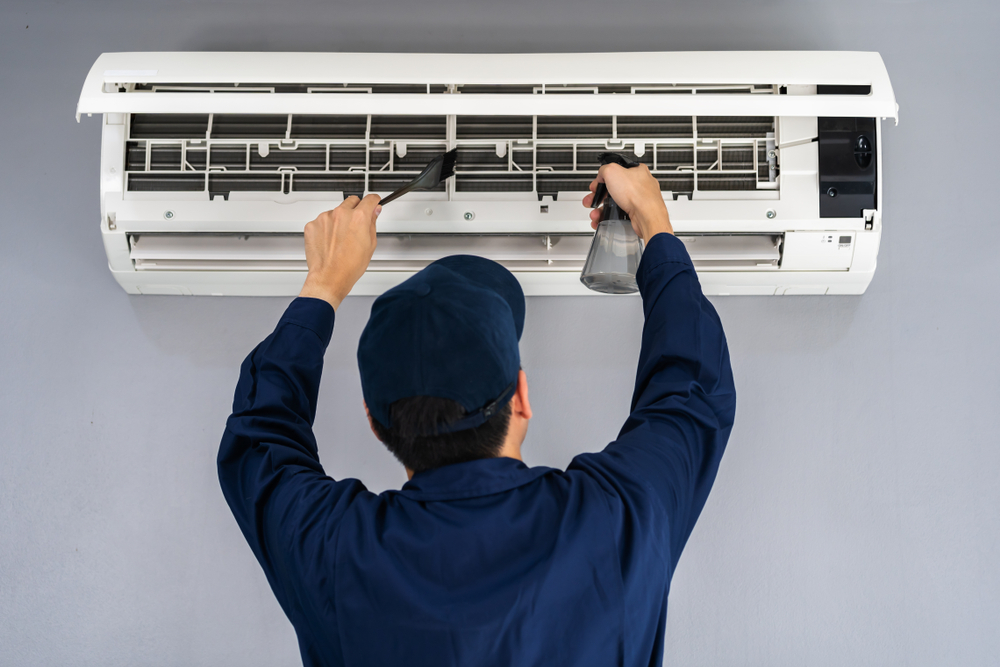
If you want someone to check and clean everything for you, book a Professional aircon servicing expert in Mornington Peninsula — they’ll inspect, test, and make sure nothing risky is happening.
Electrical Burning Smells (The Ones You Should Never Ignore)
Now this is where things get serious.
If the smell is:
- Sharp
- Metallic
- Like electrical burning
- Like melting plastic
…it’s likely an electrical fault inside your AC.
Signs It’s Electrical and Dangerous
- Lights flicker when AC turns on
- Circuit breaker keeps tripping
- Smell gets stronger, not weaker
- Unit feels unusually hot
- Noises from the indoor or outdoor unit
Electrical faults can cause fires, so turn the AC off immediately and get a licensed technician.
Burning Rubber, Plastic or Insulation: Another Red Flag
This one has a very distinct vibe — kind of like melted plastic mixed with hot rubber.
It’s usually caused by:
- Something touching the fan blade
- A loose component rubbing inside the unit
- A foreign object stuck in the outdoor fan
- Damaged wiring insulation
Sometimes, it’s even triggered by a small bird nest or leaves sitting in the outdoor unit.
Turn the AC off and let a professional take a look.
Mechanical Problems: Motors, Bearings and Compressors
If the smell is more “oily” or metallic, it may be a mechanical failure.
Common Mechanical Causes
- Overheated motor
- Worn bearings
- Failing compressor
- Blocked fan movement
These problems usually start small but get expensive fast.
You may also hear rattling, grinding, or humming noises.
What Safety Authorities Recommend
According to Victorian fire safety guidance, poorly maintained AC units can and do contribute to house fires — especially when wiring or motors overheat during long hot spells.
This is why it’s always safer to:
- Turn off the AC immediately
- Ventilate the area
- Get a professional to inspect the unit
Just because it’s “still running” doesn’t mean it’s safe.
What You Should Do Immediately (Quick Safety Checklist)
1. Turn the AC off
Use the wall controller first, then the switch if accessible.
2. Open windows
Ventilate the room to clear the smell and any possible fumes.
3. Do a quick visual check
Don’t take things apart — just look for smoke, sparks or melted plastic.
4. Don’t keep testing it
If something’s burning, turning the AC on again only makes it worse.
5. Call a professional
A licensed HVAC technician can diagnose wiring, fan or motor issues safely.
If there are signs of fire, call 000 immediately.
Smell Breakdown: A Simple Comparison Table
| Type of Smell | Likely Cause | Urgency Level |
|---|---|---|
| Dusty, musty | Dust burning off | Low — normal on first use |
| Electrical, sharp, metallic | Wiring overheating | High — stop immediately |
| Burning plastic | Melted components | High — call technician |
| Oily or mechanical | Motor or compressor overheating | High — don’t use |
| Sweet chemical smell | Possible refrigerant issue | High — get pro help |
How to Prevent Burning Smells in the Future
You don’t need to be handy — just stay consistent.
Simple Preventative Steps
- Clean or replace filters every 1–3 months
- Keep the outdoor unit free of leaves
- Don’t block the indoor unit with furniture
- Book yearly professional servicing
- Never ignore unusual noises or sudden smells
And always check for the RCM mark when buying cooling appliances — it means they meet Australian safety standards.
When to Call a Professional
Call an HVAC technician when:
- The burning smell doesn’t go away
- You smell anything electrical
- You hear unusual noises
- The unit loses cooling power
- The breaker keeps tripping
- You see smoke, sparks, or melted plastic
And if anything feels unsafe, go straight to 000.
Conclusion: Don’t Guess — Stay Safe and Act Early
A burning smell from your AC doesn’t always mean disaster, but it does mean pay attention.
When in doubt, turn it off, keep the space ventilated, and call someone qualified to check it. It’s safer, cheaper, and helps your AC last longer.
If you want peace of mind, get a Professional aircon servicing expert in Mornington Peninsula to take a look and make sure your system stays trouble-free.
FAQs
Is a burning smell from my AC dangerous?
It can be. Dust is harmless, but plastic or electrical burning is serious. Turn it off and get it checked.
Why does my AC only smell on the first use of the season?
Dust burns off the coils after months of non-use. It usually disappears within minutes.
My AC works fine but smells like burning plastic — what now?
Turn it off. Plastic or insulation burning isn’t normal and means something is overheating.
Can a refrigerant leak cause a burning smell?
Refrigerant usually smells chemical or sweet — not like burning. Either way, call a technician.
How do I stop burning smells from happening?
Regular filter cleaning, annual servicing, and keeping the outdoor unit clear prevent most issues.
