
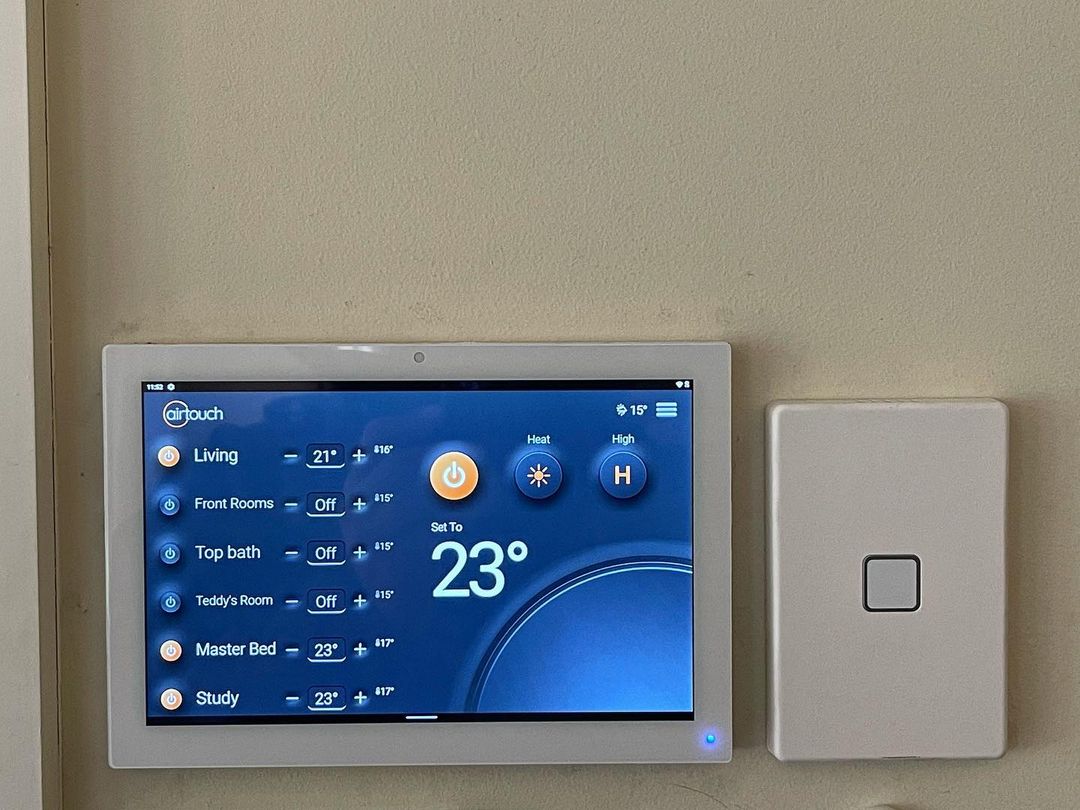
Picture, it’s a crisp Mornington Peninsula morning, and you’ve just rolled out of bed. Instead of stumbling into a chilly house and cranking up an old-school heater, your home is already at the perfect cozy temp. Sounds dreamy, right? With a smart thermostat, that scenario is reality – and your wallet stays happy too.
As an Aussie who’s battled both winter frosts and rising energy bills, I know firsthand how game-changing this can be: upgrading to a smart thermostat can slice your heating costs surprisingly quickly, often saving hundreds of dollars in a single winter.
What Makes Smart Thermostats So Different?
Smart thermostats are basically Wi-Fi-enabled climate controllers that learn your routine and adjust temperatures all by themselves (or by you, with just a tap on your phone). Unlike that dusty knob on the wall, these gizmos use clever algorithms and sensors to turn heating on only when you need it – and off when you don’t.
So if you dash out for a surf or a coffee, or if you’re tucked in bed, the house won’t be wasting gas or power heating an empty room. It’s like having a little home butler who knows exactly when to warm up the place.
Want More Efficiency? Start Here
For those looking to squeeze every drop of efficiency from their home heating, check out our Energy Efficient Heating Guide. It’s packed with tips on insulation, draft-proofing, and heating systems, but the real game-changer is adding some digital smarts to your thermostat.
By linking your heating controls to a smart device, you can automate away a lot of the guesswork and waste. Think of it: your heater shifts into smart mode, heating just the right amount at the right time, with no effort from you.
What Smart Thermostats Actually Do
Today’s smart thermostats come loaded with features that help cut bills without cramping your comfort style. For example, many models can:
- Learn Your Routine
- Geo-fence Using Your Phone
- Multiple Schedules
- Zoned Heating Control
- Energy Reporting
- Smart-Home Integration
These capabilities add up to more efficient heating. Instead of blasting the heater 24/7 or forgetting to turn it down, a smart thermostat cuts out the fluff. Studies have found homeowners often see 10–15% slashed off their heating bills (cooling savings around 15% too) when using smart thermostats.
In concrete terms, that can be hundreds of dollars saved per year, especially if you live in an old drafty house. Bonus: less wasted gas or electricity means lower carbon emissions, so you’re doing your bit for the planet.
Smart Thermostat Comparison Table
A quick practical table shows the difference:
| Feature | Basic Thermostat | Programmable Thermostat | Smart Thermostat |
|---|---|---|---|
| Control method | Manual dial | Set daily/weekly schedule | Smartphone app or voice |
| Automation | None | Follows fixed schedule | Learns habits & location |
| Cost savings | None | Moderate (~5–10%) | High (~10–15% or more) |
| Remote control | No | No | Yes (Wi-Fi enabled) |
| Typical price (AUD) | $20–$60 | $50–$150 | $200–$400 |
Why It Matters for Mornington Peninsula Homes
If you live on the Peninsula, those chilly winter nights (dropping to around 6°C) can quickly make up a large chunk of your bill. But a smart thermostat means your heating is on a tight leash: it works with you, not against you.
Some models even tie into smart meters and solar panels – for example, you could tell the thermostat to run heating when your rooftop solar output is highest. The result: more of your heating comes from free sunshine rather than the grid.
Government-Backed Recommendations
Government energy advisers even back this up. Official guidelines remind us that cranking up the heat a few degrees can really jack up costs. For instance, the Australian Government’s energy saving guide advises keeping your heater around 18–20°C in winter.
Beyond that, each extra degree can hike your bill by roughly 5–10%. Smart thermostats practically enforce this advice by maintaining those sweet-spot temperatures for you automatically. Some state programs (like the Victorian Energy Upgrades) even offer rebates if you replace old heaters with more efficient ones.
Conclusion
In short, a smart thermostat doesn’t just keep you comfy – it keeps your bank balance warmer. Instead of wasting cash on heating an empty house, you get targeted warmth tailored to your life, with a surprisingly big payoff.
Ready to take action? Replacing your old thermostat with a smart one could be just what your wallet needs. With energy prices climbing, every degree you save is money in your pocket. Imagine the next chilly night: you walk in, and your home is already toasty warm the moment you step in the door.
Frequently Asked Questions
What exactly is a smart thermostat?
A smart thermostat is an internet-connected device that controls your heating (and often cooling) system. Unlike a manual or simple programmable thermostat, it uses sensors and software to learn your habits, respond to your location, and let you adjust the temperature from an app or voice command.
How do smart thermostats save money?
They save money by cutting out wasted heating. For example, they lower the heat automatically when you leave home or go to bed, and only warm rooms when someone’s there.
How much can I expect to save?
Savings vary, but many households report around 10–15% off heating costs, often adding up to a few hundred dollars per year.
Can I install one myself?
Some models are DIY-friendly, while others may require an electrician. Compatibility with your heating system is key.
Do smart thermostats suit Mornington Peninsula weather?
Yes – they’re great for our cool winters and warm summers, offering smart control year-round.
