
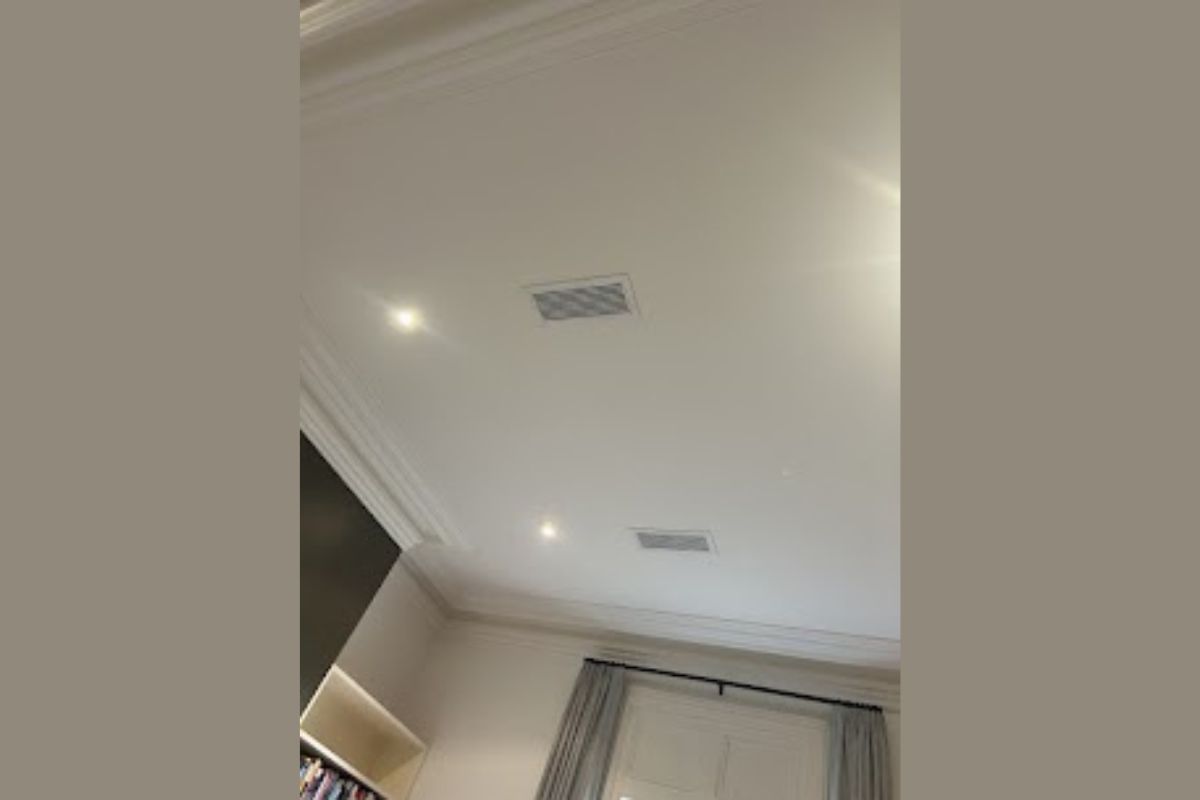
Picture, It’s midsummer on the Mornington Peninsula and your living room feels like a sauna, or conversely, a chilly July night and you’re wrapped in blankets yet still shivering.
We all want a home that’s comfortable year-round, but when it comes to budgeting for home upgrades, a big question pops up: Should you splash out on better insulation or on a fancy new HVAC system first? (That’s heating, ventilation, and air conditioning for the record.) Both paths lead to warmer winters and cooler summers – but where do you get the most bang for your buck?
Let’s dive into the debate between snug insulation and high-tech HVAC upgrades, so you can decide what to tackle first.
In simple terms, insulation and HVAC upgrades are both about comfort and energy savings, but they attack the problem differently. Insulation is like putting a cosy jacket on your house: you add layers of material (in the ceiling, walls or floors) to slow the transfer of heat. It means your place stays warm in winter and stays cool in summer with less heating or air conditioning.
On the other hand, HVAC upgrades involve modernising your heating and cooling equipment – for example, installing a new reverse-cycle air conditioner (heat pump), improving ducting, or using smart thermostats. Good HVAC gear controls temperature more efficiently inside, but it can only work on the heat that’s actually leaking in or out.
So which gives more value: covering your home in insulation or investing in a state-of-the-art HVAC system? There’s no one-size answer – it depends on your house and lifestyle. If your roof is pretty bare and your walls are drafty, a bit of insulation might make a huge difference.
If your home is already reasonably sealed but you’re still relying on an air conditioner or old gas heater, a new HVAC could pay off. Either way, the right upgrades can slash your power bills and keep you comfy.
For example, experts note that modern air conditioning upgrades can dramatically cut running costs compared to a decade-old unit – but remember, even the smartest AC can’t perform miracles in an uninsulated shell. In this article, I’ll walk through the pros and cons of each route (with a handy comparison table below!), sprinkle in a few personal anecdotes, and even point out the grants and rebates that Mornington Peninsula homeowners can tap into.
The Power of Insulation: Your Home’s Cosy Cloak
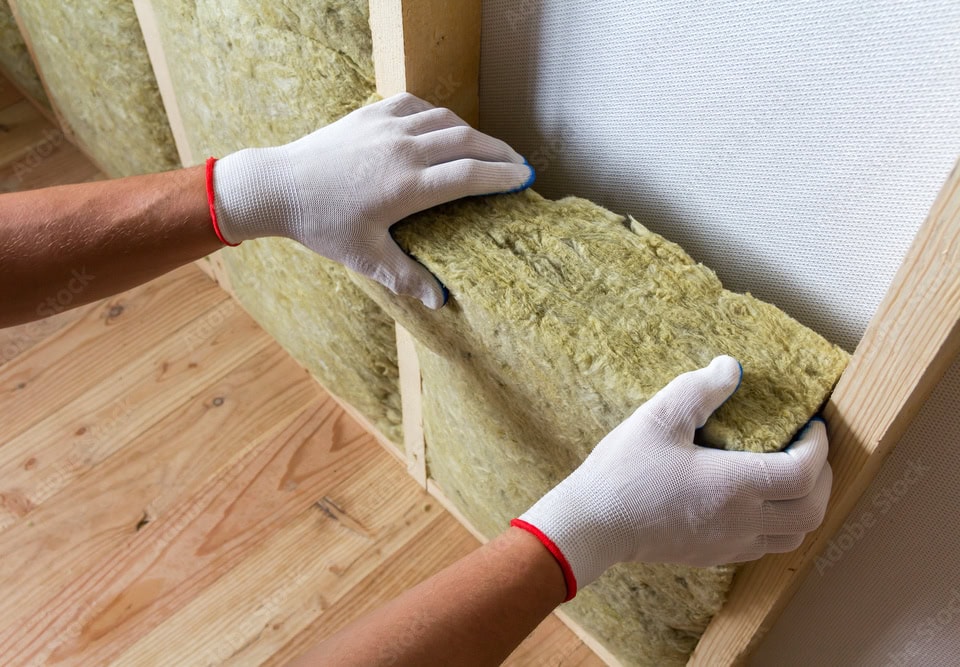
A worker fitting fluffy insulation batts between wall studs. Proper insulation keeps heat in during winter and out in summer. Insulation is the unsung hero of home comfort. Think of it as the thermal cloak wrapped around your walls and ceiling.
When you add insulation, you’re basically slowing down the heat flow. In winter that means warm air from your heater stays inside longer (so you use the heater less); in summer, the hot sun’s energy is slowed down from cooking your rooms (so the AC doesn’t have to work as hard).
I remember the first winter I spent in my own house on the Peninsula – despite having a heater on, one end of the place was always like the Arctic. It turned out we had almost no insulation up there, just bare rafters. After I had R3.5 batts rolled out on the roof and walls, it felt like someone turned up the thermostat by 2–3 °C overnight. That’s the magic of insulation.
Major benefits of adding insulation include:
- Lower Energy Bills: Generally, adding good insulation can cut your heating and cooling energy use by roughly 20–30%. Many Aussie studies (and the federal government’s Home Energy Upgrades Fund) suggest insulation often pays for itself within 3–5 years via those savings. In real terms, if you were spending $200 a month on heating/cooling, you might see $40–60 off that bill once insulated.
- Even Comfort: No more big temperature swings. Insulated rooms heat up and cool down more slowly, so you won’t have that cold-breeze downstairs or scalding-hot attic. It’s like your house wears a snug jumper.
- Year-Round Help: Unlike some upgrades that only help cooling or heating, insulation helps both. It’s working whenever there’s a temperature difference across your walls or ceiling.
- Noise Reduction: Bonus – insulation often reduces noise. The fiberglass or foam stops outside sounds a bit, making bedrooms quieter.
- Damp and Mould: Good, dry insulation in walls and ceilings can cut down on condensation and mould risk. (On the Peninsula we do get damp winter mornings, so keeping a home warm and sealed helps.)
Insulation isn’t just one thing though. There are many types: fibreglass batts, cellulose blow-in, reflective foil, polystyrene boards – and each goes in different places (roof, walls, under floor). In Victoria’s climate, the building code actually recommends around R4.0–R4.5 in the ceiling (that’s a thick layer of glass wool or wool), and roughly R2.8 in walls. Many older houses have much less.
Even improving from zero insulation to something like R2.5 or R3 in walls can make a big dent in bills. If your house has a concrete slab, you can even get under-floor insulation or blanket systems to cut ground chill.
Where to start? Usually the ceiling (attic) is a great first spot, because up to 40% of heat is lost through the roof if it’s not insulated. If you crawl into your roof and see bare boards, that’s your cue. After that, look at walls (especially if they’re brick veneer, adding batts behind lining is helpful). For townhouses or units with floors over garages/basements, insulating those floors can remove winter chills.
An illustrative fact: The U.S. government’s energy site notes that going from no insulation to a properly insulated home can cut heating and cooling costs by up to 45%. Aussie homes aren’t too far off those numbers. I won’t bore you with technical specs, but think of it like this – your home is basically a thermos flask. Without insulation, your hot coffee (inside heat) leaks out fast, or your ice (cool inside air) melts away. Adding insulation seals it up.
HVAC Upgrades: The High-Tech Comfort Boost
On the flip side, HVAC (Heating, Ventilation, and Air Conditioning) upgrades tackle the comfort question with new technology.
When we say HVAC upgrades, we usually mean replacing or improving your heating and cooling equipment. For Mornington Peninsula homes, that often translates to installing a modern reverse-cycle air conditioner (aka heat pump), improving your ducted system, or even adding smart controls.
Imagine you’ve got an old 10-year-old split-system AC that drips and chugs along (and maybe only heats one room). By upgrading to a current 6-star inverter model, you could get the same cooling for up to 30% less electricity, and also heat your whole home efficiently in winter. Those savings happen because inverter heat pumps adjust their compressor speed – they don’t just blast full power or stop like older units.
Key upsides of HVAC upgrades are:
- Targeted Comfort: A new AC or heat pump can quickly and precisely cool or heat. Modern units often have better airflow, finer temperature control, and features like dehumidifying or even air purification. For example, some high-end ACs will detect humidity and adjust to keep the room comfy without getting clammy.
- Efficiency Gains: If your old unit was, say, 3-star rated and yours is a 5-star model now, you’re paying far less per degree of cooling. Many modern systems use 20–40% less energy than the ones from a couple of decades ago, especially on long summer days. The caveat: if your house leaks like a sieve, a fancy AC might still run a lot; but when paired with insulation and sealing, it shines.
- Heating in Winter: Remember, most reverse-cycle aircons double as heaters. That means by upgrading your AC, you also upgrade your winter heating. This is why some Victorians are pushing to swap gas heaters for reverse-cycle units – the new ACs are actually very good heaters (and often cheaper to run than old gas heaters).
- Zoning & Smart Features: Nowadays you can get zone controllers that let you cool only the rooms you’re using. And thermostats can be smart – even phone-controlled – to optimise comfort and savings. A well-designed HVAC system can cut waste by not cooling unused spaces.
- Decreased Maintenance (Sometimes): New units usually need less tinkering. Instead of a 20-year-old clunker, you’ve got something still under warranty (often 5-10 years for big parts). Change the filter, clean the coils, and it should run well for years.
- Long-Term Value: A high-quality HVAC system can last 15+ years. Think of it as an appliance upgrade: you spend big now, but you might not need another one for a while.
Of course, the costs for HVAC upgrades are higher upfront than insulation. A top-notch ducted heat pump system can easily run into the thousands (often $5k or more for a whole-house setup). Even a single split unit, with installation, might be $3k-$4k. Compare that to, say, insulating a whole roof which might be $2k-$3k for a 3-bedroom home. But what you get is serious comfort.
One of my clients had an old wood heater and split system, and after quoting they installed a new 6kW reverse-cycle system for around $3,500. That summer, she texted me laughing: “Feels like a movie theatre in here, not a baking pan!” The power bill didn’t explode either, because the unit was so efficient it barely used more than the old split. In this case, upgrading the HVAC was a major win – especially since her home already had decent insulation.
Pros of HVAC upgrades can include:
- Powerful cooling/heating on demand (great for hot coastal summers or cool winter nights here in Victoria).
- Often quieter and safer (no gas leaks, no pilot lights, minimal noise with new units).
- Added features: air purification filters, energy-saving modes, etc.
- Utilises modern tech (app control, voice assistants, etc.) that a young professional might appreciate.
And cons (to be fair) are:
- High initial cost (but remember rebates below!).
- Some ongoing maintenance is required (you’ll need to get it serviced yearly, and change filters).
- If your home is uninsulated, running a new AC is like trying to boil an egg in a colander – you’ll lose efficiency.
Insulation vs HVAC: A Side-by-Side Comparison
To make things even clearer, let’s compare insulation and HVAC upgrades in a quick table. (Numbers are approximate; exact costs depend on your home size and specific products, but this gives a general idea.)
| Aspect | Insulation | HVAC Upgrades |
|---|---|---|
| Upfront Cost | Lower: e.g. ceiling insulation ~$1,000–$3,000 total | Higher: single split AC ~$3,000+; ducted ~$5,000+ |
| Energy Savings | Reduces heating/cooling needs by ~20–30% | Depends on old vs new: often 20–40% more efficient |
| Comfort Impact | More even temps, stops cold/hot spots, quieter home | Fast cooling/heating; better humidity control |
| Payback Period | Relatively quick (often 3–5 years) | Slower (sometimes 5+ years) |
| Maintenance | None (insulation lasts 50+ years once installed) | Regular servicing/filters needed (annually) |
| Rebates/Grants | Often available for insulation on roof/floor/wall | Rebates for heat pumps and reverse-cycle AC in VIC |
| Best For | Drafty older homes, whole-house efficiency boost | Poor comfort due to old AC/heater, specific zones |
This table shows why insulation is usually the low-hanging fruit: it costs less upfront, helps the whole house, and quickly trims energy use. HVAC upgrades cost more but target specific pain points (like a sweltering bedroom or replacing a gas furnace).
For example, if you spend $2,000 on ceiling insulation and it knocks 25% off your $180 power bills, that’s like saving $45 a month – you’ve “paid back” the upgrade in around 3-4 years. A new split-system might save more per degree, but you could be out $4,000 for the unit and install, meaning a longer payback horizon (unless rebates help out).
Victorian Incentives and Local Support
Here’s an ace up your sleeve: there are rebates and grants that make either choice cheaper. In fact, Mornington Peninsula homes have a local council scheme that’s pretty generous.
The Mornington Peninsula Shire runs an Energy Support Grant that covers 50% of out-of-pocket costs (up to $1,000) for things like insulation, air-conditioning or even simple draught-proofing. That means, for instance, if you spend $2,000 on insulating your roof, the grant would kick in $1,000 of that.
The same goes if you replace an old split system – up to $1,000 back. Check out the council’s website for details on eligibility and how to apply (they often run info sessions too).
Beyond the local council, the Victorian government has the Victorian Energy Upgrades (VEU) program. It gives rebates for switching from gas to electric heating. (You know those ducted gas heaters or non-ducted gas wall units? Well, you can get thousands off to swap them for a reverse-cycle heat pump.)
For example, replacing a ducted gas heater might earn you around $5,500 in rebates, which could cover most of a new system’s cost.
Even smaller systems get rebates: about $1,610 for a single-room AC swap. And by the way, if you go all-electric (no gas), the average Victorian household could save around $2,000 per year – because electricity is stabilised and gas prices keep rising.
The point is: check what incentives you can get. With council help and state rebates, you might find you can afford both upgrades faster than you think. For many people, it ends up making sense to at least get the insulation sorted first (thanks to the grant) and then think about a new heat pump once your home is tighter.
Conclusion: Find Your Home’s Weakest Link
So, where should you spend first? A good rule of thumb is: seal up the house, then upgrade your gear. Insulation (and sealing draughts) is usually cheaper per benefit and helps every bit of heating or cooling you do.
If your home is really drafty, start there – you’ll feel a quick difference and any future HVAC upgrade will perform even better. But if your walls and roof are already decently insulated (or if you live in a modern home), then consider focusing on that old air conditioner or heater.
Either way, the gains are real. A properly insulated Peninsula home is more comfortable through both winter and summer, and a modern inverter HVAC system will treat you to whisper-quiet cooling with lower power bills. One of the smartest things you can do is get a home energy audit – a professional can tell you where the biggest heat leaks are.
Remember: With rising energy prices, both insulation and HVAC upgrades pay you back in lower bills. And thanks to government grants, you can sweeten the deal. So chat to a licenced installer or your local energy advisor – and start planning. Whether you wrap your house in a cosy blanket of insulation first, or plug in a shiny new heat pump, you’re on track to a comfier home and a greener footprint.
Each home is different, but hopefully this guide gives you a clear picture: insulate where possible, upgrade HVAC if needed, and always look out for rebates. Your wallet and your comfort will thank you!
Frequently Asked Questions
What’s better: adding insulation or getting a new AC first?
It really depends on your home’s current state. In general, if your house feels drafty or you notice lots of temperature swings, insulate first. It’s cheaper and boosts any heating or cooling you have. If your insulation is already decent but you’re still uncomfortable or your AC/heater is old, then upgrade the HVAC. Many experts suggest insulation is the low-hanging fruit for most older homes.
How much can I save with better insulation?
A properly insulated home can cut heating and cooling energy use by roughly 20–30%, sometimes even more if you currently have no insulation. In dollar terms, a typical household might save a few hundred dollars per year on power. Those savings often “pay for” the insulation in 3–5 years, after which it’s all a bonus.
Are there rebates for insulation or HVAC in Mornington Peninsula?
Yes! The Mornington Peninsula Shire offers an Energy Support Grant that pays half of your cost (up to $1,000) on insulation, air conditioners or draught-sealing. On top of that, Victoria’s programs give rebates for swapping out gas heating for reverse-cycle aircon (up to $1,610 for single-room units, $5,530 for whole-house ducted systems). These incentives can cover a big chunk of your upgrade costs.
Does insulation help in summer too, or just winter?
Insulation helps year-round. In summer, it keeps the hot outside air out, so your house stays cooler. Think of it like a thermos: just as it keeps your coffee hot, it also keeps the sun’s heat out. Good ceiling insulation will make your AC’s job much easier and reduce cooling bills.
How do I know which one to upgrade first in my specific home?
One approach is to check your energy bills and feel your house. If winters seem especially rough (cold floors, walls) or summers are stifling despite using the thermostat a lot, you might need both. A simple test: in winter, if you see your breath indoors or feel a chill even with the heater on, insulation or sealing drafts is overdue. In summer, if the AC can’t keep up even on “Low” mode, that’s a sign to consider a better system. The safest bet is often to get an energy audit (some electricians or sustainability orgs do these), which will pinpoint if your ceiling, walls or system is the biggest culprit.
Are heat pump air conditioners (reverse-cycle ACs) better than older gas heaters?
Yes, in many cases. Modern heat pumps can heat your home cheaper than gas. Victoria data show an all-electric home uses roughly $1,900 a year (without solar), versus $3,080 for a home using gas. Plus, heat pumps cool in summer. So if your gas heater’s up for replacement, a new AC/heat pump might be the smarter move – and there are even rebates for making that swap.
